
Meet the Staff
All about the cats (and people) featured in the videos!
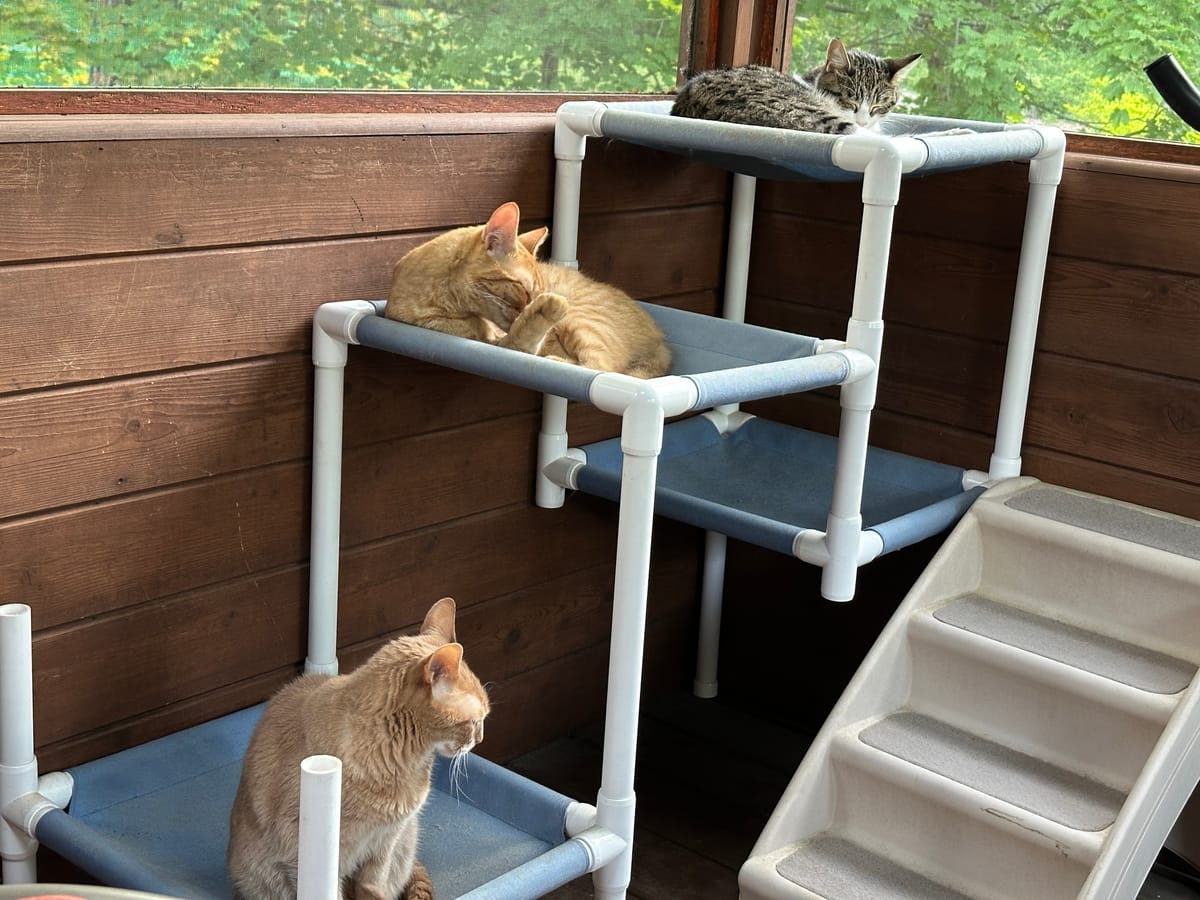
In this post I want to introduce my current cats as well as my past cats and their medical and behavioral journeys. They have shaped who I am as an owner and have given me first-hand experience as a veterinarian, so I can better inform my clients about what to expect in certain disease processes. I owe so much of who I am to my cats.
Oberheim (aka Obie, Obie Tobie)
DOB: Approximately April 8, 2024
Breed: Domestic Short Hair
Medical Concerns: None yet...
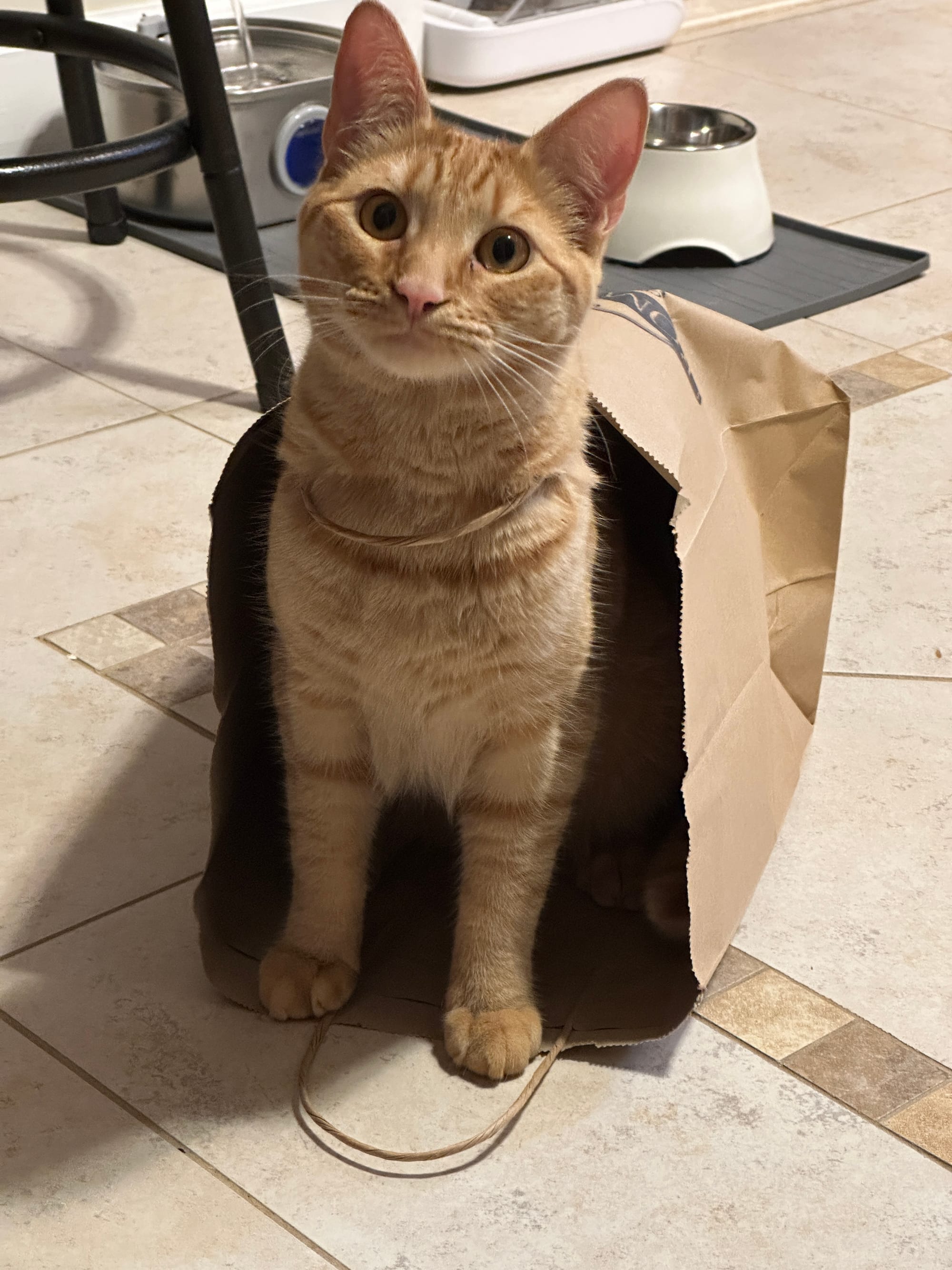
Obie was found in a compost pile along with his siblings at the hospital manager's house. He was brought to the clinic and hung out with his mom and siblings until he was about 8 weeks old, then came home with me.

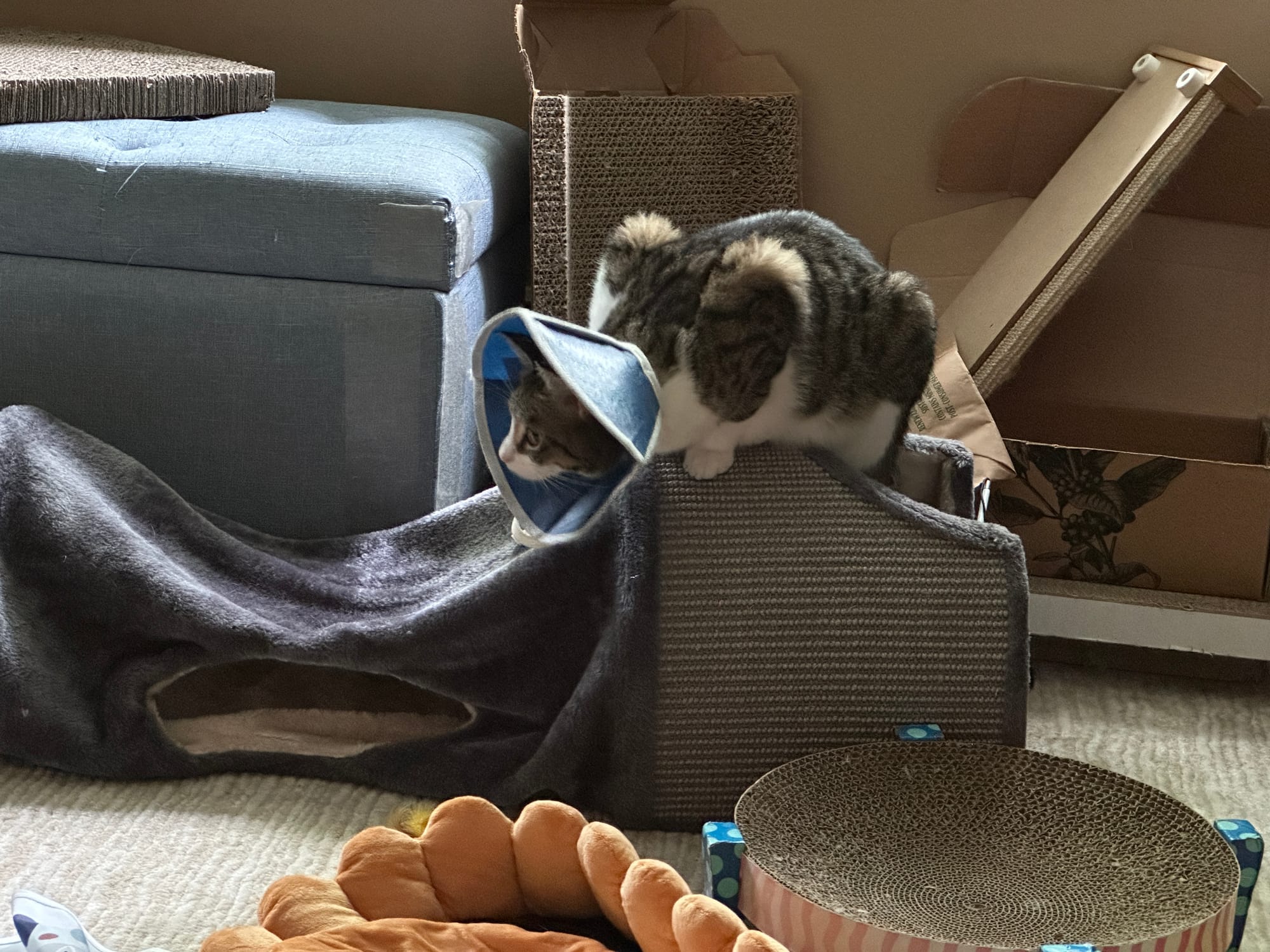
He was scared for about 24 hours, then became the absolutely most outgoing and clumsy cat I have ever owned. He climbs the curtains, chases the other cats, and must always be doing whatever the humans or other cats are doing. If he does not knock over and break at least one item per week, I think he must be ill. Despite this, my husband and I love him and do our best to give him outlets for his endless energy.
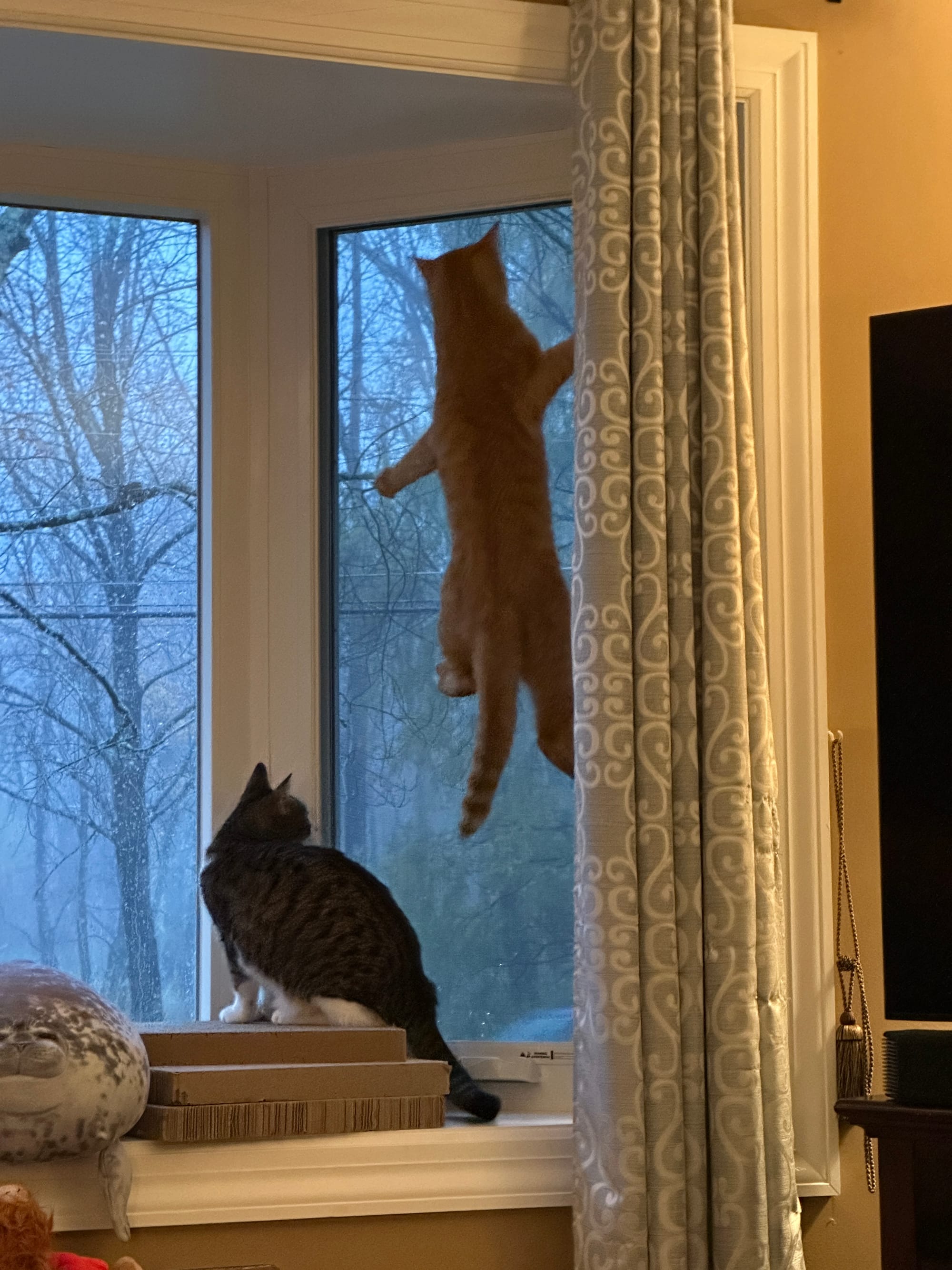
One of the reasons he was adopted in the first place was to be a companion for Tuna who also was very energetic and chasing Scoots around the house. Scoots is a mellow man and does not appreciate the crazy interactions, but still loves hanging out with the other cats when they are calm.
Obie was named after a synthesizer brand - Oberheim - as part of an agreement with my husband. I can bring home a cat if he can name the cat and buy a new synthesizer. My husband now owns an OBX8, and I own an orange man that prefers my husband anyway.
Tuna (aka Tunie, Tunie Lunie, Tuna Balloon, Looney Tune, Tuna Catserole, Tuna Salad)
DOB: Approximately April 1, 2022
Breed: Domestic Short Hair
Medical Concerns: Anaplasma positive as a kitten, slightly overweight, cat aggressive, atopic dermatitis due to environmental allergies (severe)
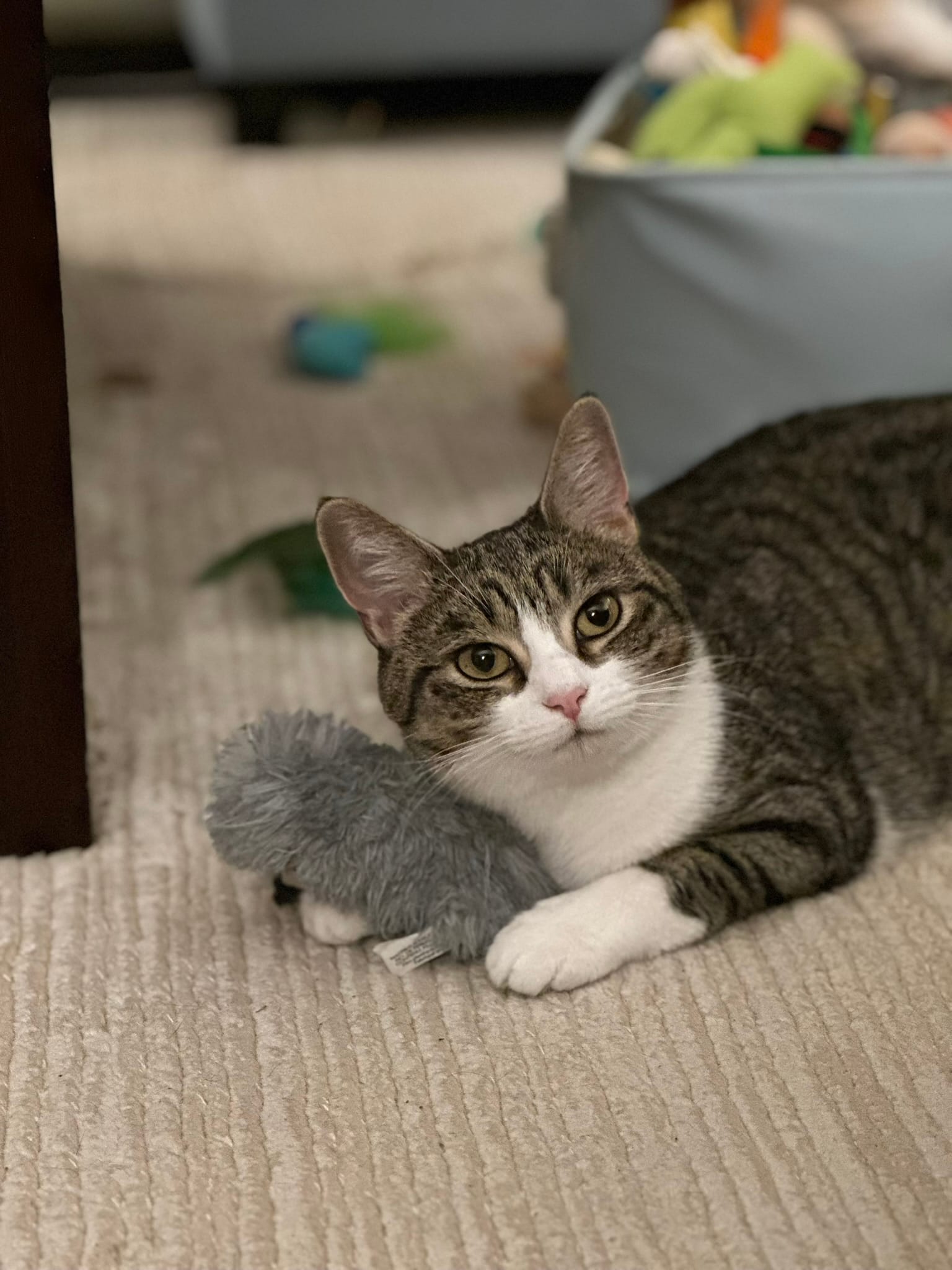
Tuna was found outside the hospital where I work covered in ticks (about 23 if I remember correctly) all by herself at about 6 weeks old. She was raised in the hospital and had an entire room to herself. She was mischievous and even burned her tongue licking an uncovered outlet at one point (now all of outlets are covered - even the ones we thought they could not reach). After her second distemper vaccine (FVRCP), she developed a high fever. Because she had never had a vaccine reaction before, I looked for underlying causes — that’s when I discovered she had tick-borne Anaplasmosis. She was treated with doxycycline and resumed her vaccine schedule without complication.
I did try to bring her home at about 12 weeks old, but she was extremely aggressive to the other cats even just coming near the door of the room I had kept her in initially. I gave it one week, but she did not reduce her aggression. She seemed very stressed, despite being separated and despite my attempts at behavioral modification. The noises she made also stressed out my elderly cats, who were ill themselves, so I reluctantly brought her back to the hospital where she was happier. While we were all pondering what to do with her to get her an appropriate home, Mercy became very ill with carcinomatosis, a cancer that moves very quickly and has very limited response to treatments and was euthanized. The loss of Mercy had caused Scoots to start asserting dominance over Maggie as well as trying to play with her, which she did not enjoy. This prompted me to try to bring home Tuna again, but this time, knowing her behavior with the other cats, I deep-cleaned the room for her, brought in a litterbox she knew from the hospital, and immediately started scent-swapping with treats and toys. This time it worked and she took to Maggie and Scoots and I was able to let her out of the room supervised within one week. Now she loves other cats that she knows, and will be happy with new ones if I go sssllloooooowwww with the introductions and focus on scent swaps.
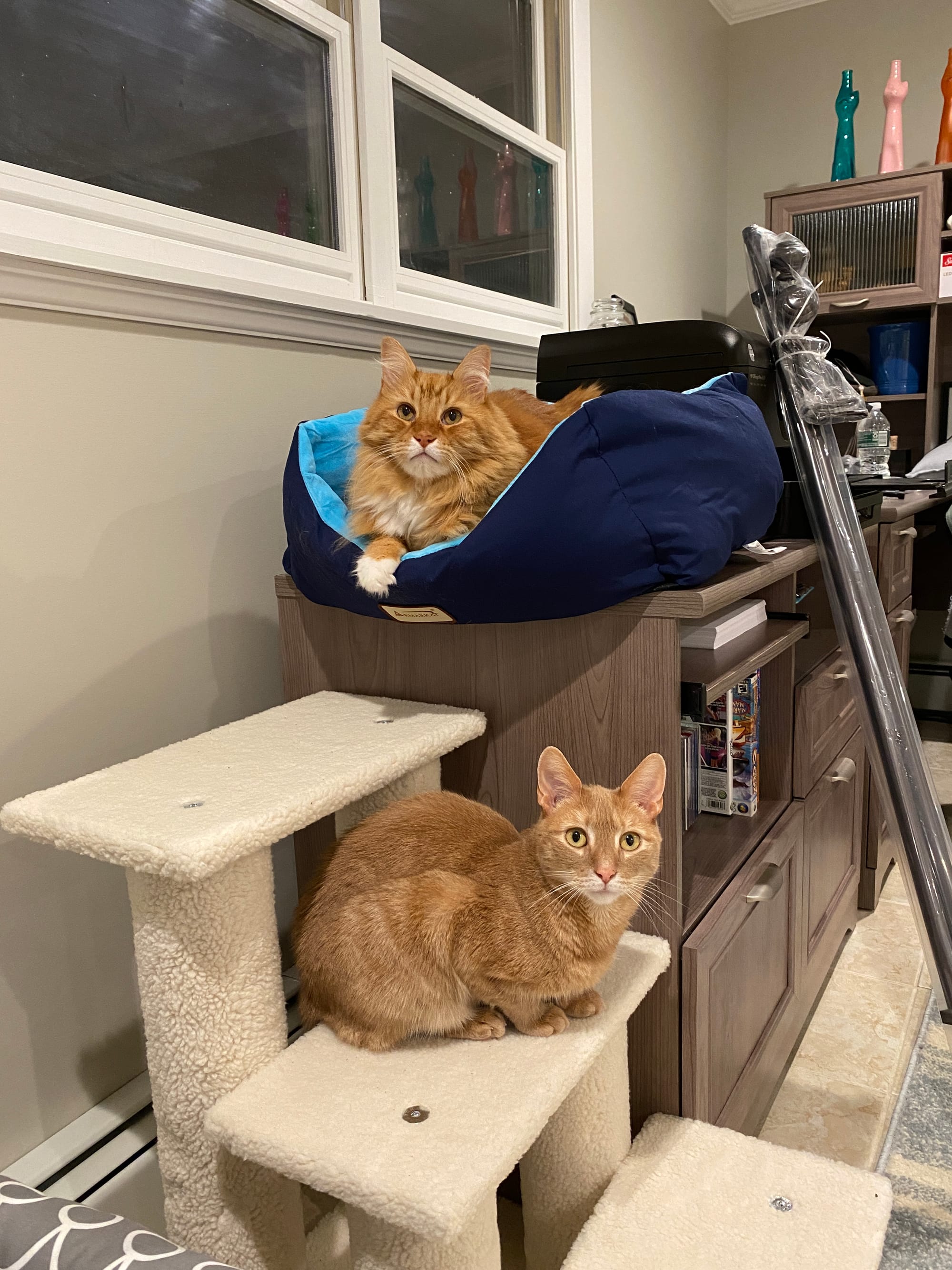
At about 16 months old I started to notice her dragging her butt across the carpet and developing rashes on the back of her neck. After ruling out urinary issues, parasites, and anal gland issues I changed her to a hypoallergenic diet, made sure I was on top of applying Revolution monthly, and eventually biopsied the rash that would not go away despite being on prednisolone. The biopsy returned as an allergy lesion, so I had her tested for allergens at a local veterinary dermatologist. She tested moderately to severely allergic to more than 35 pollens, insects, and environmental fungi! Working with the dermatologist, we switched her to Atopica for long-term immunosuppression and started her on injectable immunotherapy. She has been on the immunotherapy for a little over a year and has shown great progress. Her new allergy test has just 8 allergens remaining. She has gotten one urinary tract infection, likely related to the immunosuppressant, but otherwise is doing very well. She was not food allergic, so she is now on a diet high in omega-3s and fish oil to help keep her skin healthy.
After Maggie's passing, Tuna and Scoots were not getting along well due to her high energy level and Scoots low energy level and meek personality. Obie was brought home to be pals for Tuna and it worked wonderfully. Obie and Tuna are constantly play wrestling or sleeping near each other. Scoots prefers to be alone or with his humans while the others play. If they are calm, he will ask them for head licks.
Scoots McGoots (aka Scoots, Mr. Pupu, Puhead, WooWoo)
DOB: Approximately October 31, 2016
Breed: Domestic Short Hair
Medical Concerns: Feline Lower Urinary Tract Disease (FLUTD), Canine Agenesis (he never grew any of his canine teeth)
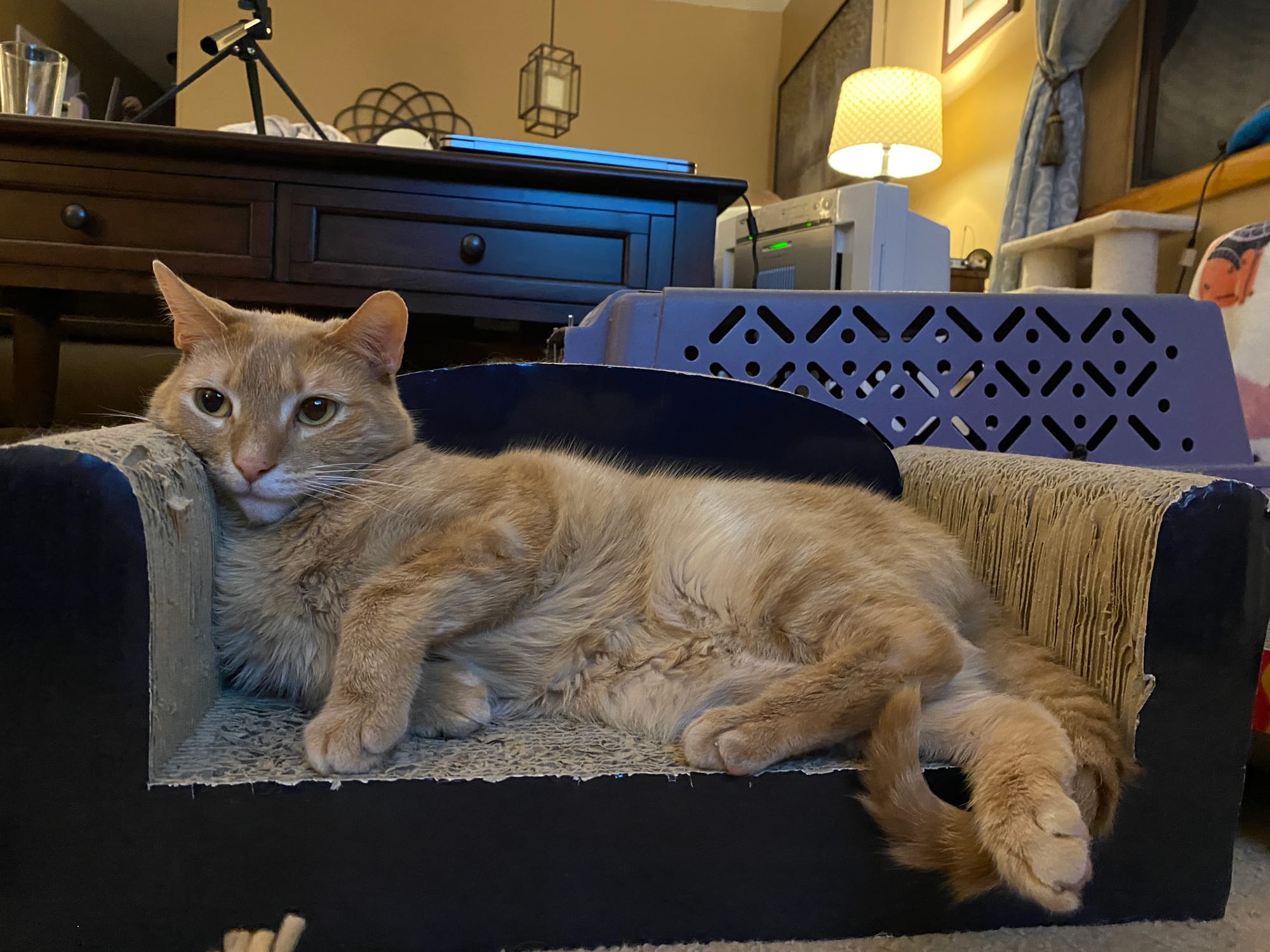
Scoots was found by himself outside of a store on a busy street in Norwalk at about 6 weeks old. At the time, I was working at Pet Animal Welfare Society in Norwalk on my days off, and that’s where I met him. I took him home so he could be around other cats and be socialized. His best friend in the whole world was Columbus and they were inseparable in everything they did. After Columbus passed he has had trouble finding his place in the household, both being the aggressor or being the one hunted in social interactions with the other cats. He seems to enjoy hanging out with his people while the others play with each other, but he does seek out affection from the other cats on occasion.
When Scoots was about four, he began vocalizing in the litterbox, showing discomfort while urinating.. He is generally a very quiet man so the meowing was unusual. I took a urine sample and found a large amount of crystals. I started him on a special diet designed to dissolve and prevent crystals, and thankfully, he has been pain- and crystal-free ever since. Cats with anxious personalities are more prone to developing Feline Lower Urinary Tract Disease (FLUTD) and greatly benefit from multimodal environmental modification (https://indoorpet.osu.edu/sites/default/files/assets/documents/hospital/indoorcat/JFMSMEMOFINAL06.pdf).
He never developed either his baby canines or his adult canines. This condition, known as canine agenesis, is not medically significant if x-rays confirm no retained tooth roots remain in the jaw.
Maggie (aka Tinycat, BB, BBcat)
2006- 2023
Breed: Ragdoll
Medical Concerns: Arthritis, Hyperthyroidism, Asthma, Liver cancer, Lung cancer
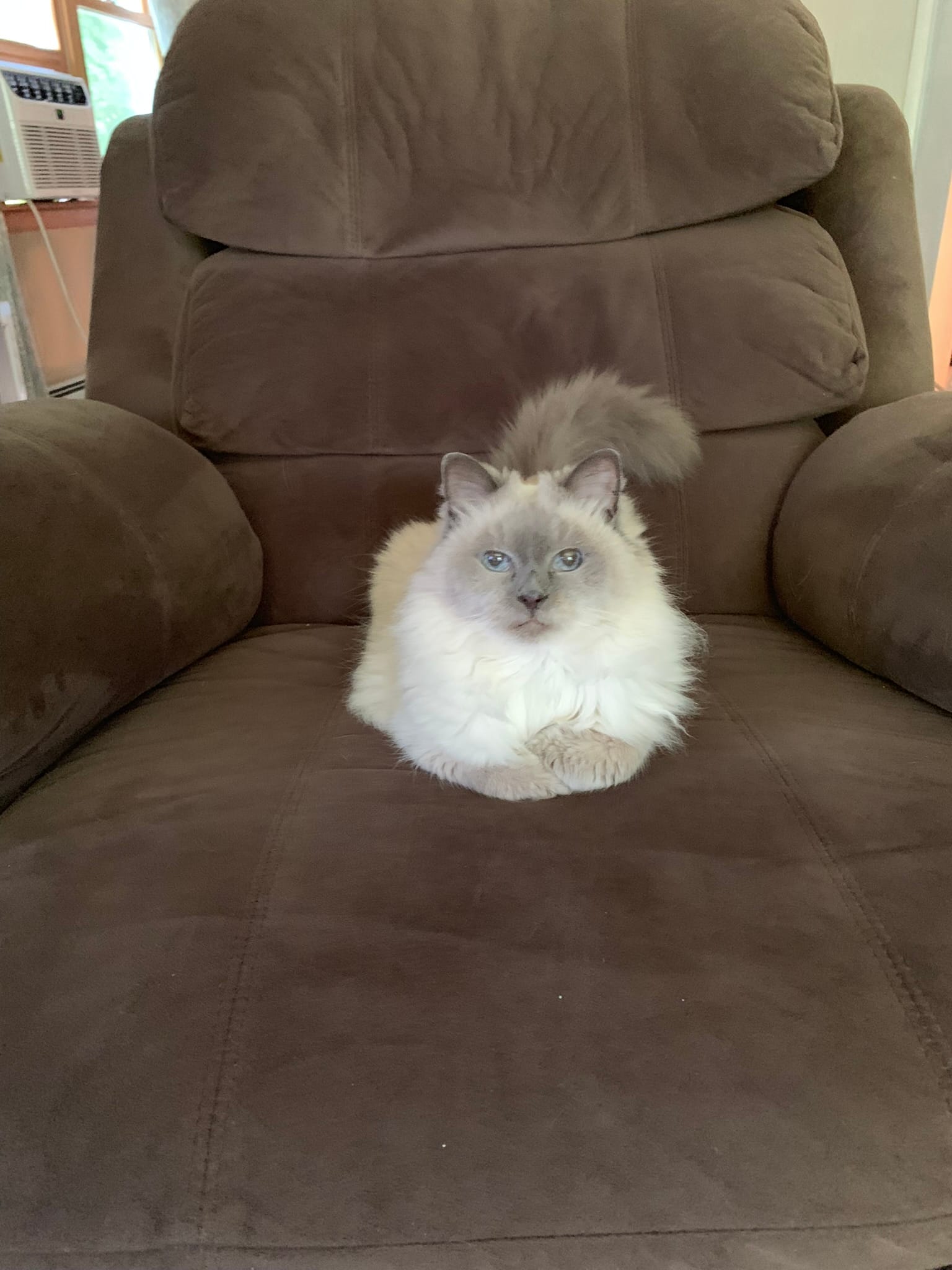
Maggie was given to me back when I was veterinary technician working through college by the local animal control officer. She and her littermates were taken away from the breeder due to abuse, and came to the clinic I worked at for a health check. I mentioned to the officer how much I liked the kittens during the appointment and to my surprise she came back a few weeks later and handed Maggie to me over the reception counter. Too shocked to say no, I took her home that night. She joined Columbus and Mercy, and, true to her breed, was very people- and lap-oriented.
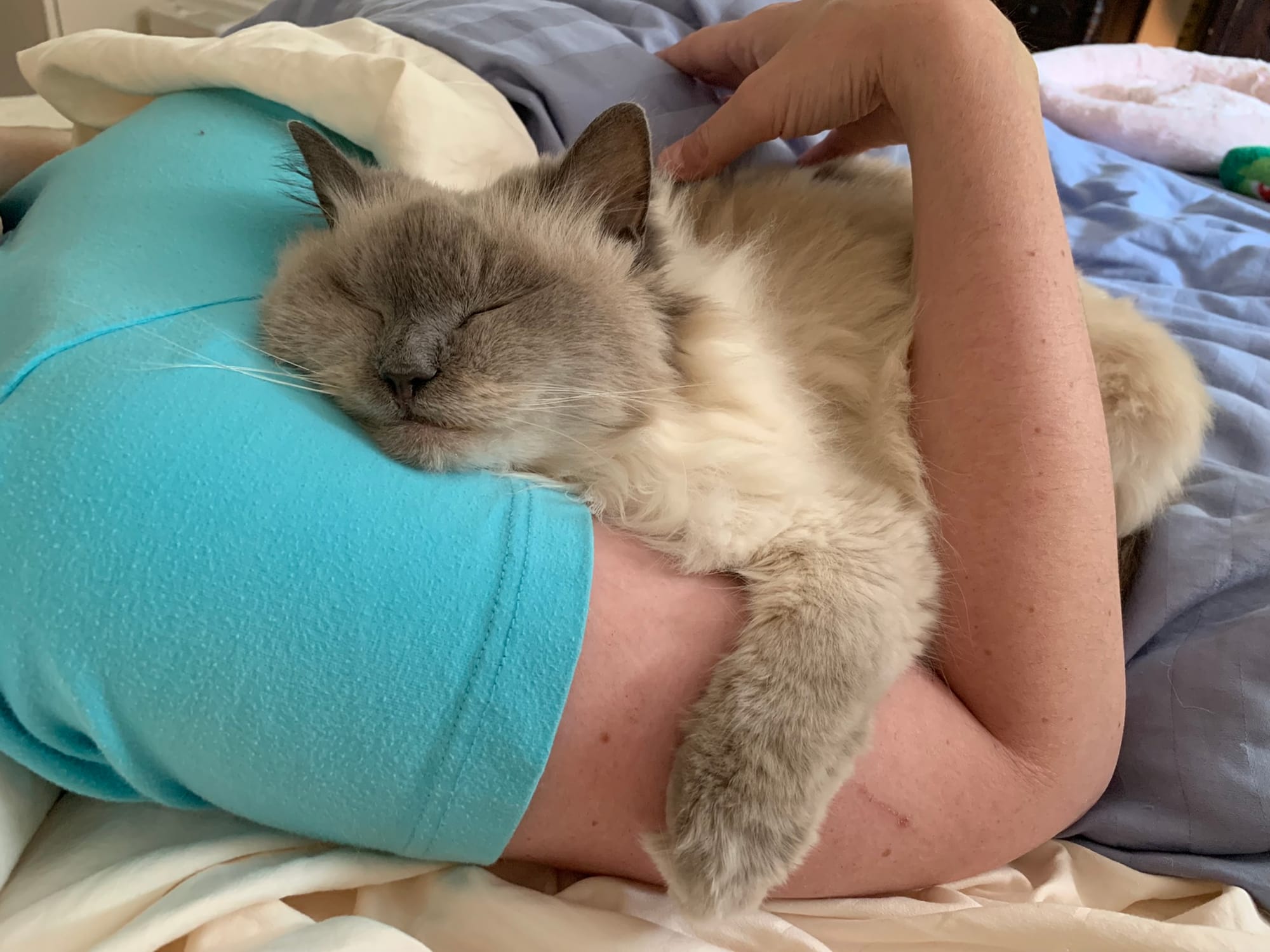
Unfortunately, Mercy and Maggie stopped getting along after blissful coexistence for about seven years. I never knew for sure what caused it, but I suspected a stray cat outside our rented home provoked Mercy’s redirected aggression toward Maggie (Mercy could smell and hear the cat, but not see it).. Despite medications, behavioral modifications, supplements, and attempts at slow reintroductions, I was never able to get them back into the same space at the same time again. I ended up creating a "cat room" safe space that they would time share, swapping their territory every 12 hours or so. My experience with them has given me the benefit of being familiar with many behavioral medications, and empathy for families facing similar problems.
Maggie (and Mercy) developed asthma a year or two after moving into my current home. I had it tested for molds (all negative), removed the wall to wall carpet, and installed freestanding HEPA filters. The mitigation of the environment definitely helped both of them, but both needed to go on steroids to mitigate the cough and inflammation. Occasionally Maggie would need additional antibiotics for secondary infections that would occur as well. As she aged she also developed arthritis and swelling of her joints. Her pain was managed with supplements and medications and she remained comfortable for many years. In the last year of her life, she developed hyperthyroidism, a liver mass (which I chose not to biopsy), and a lung mass.. I was able to keep her happy and with a good quality of life until she was about 18. When my husband and I felt she was starting to have more bad days than good and that we could not keep her reasonably comfortable we decided to give her the gift of euthanasia to release her from her discomfort.
Mercy (aka Ski, BBSki)
2005- 2022
Breed: Domestic Shorthair
Medical Concerns: Arthritis, Asthma, Blind, Feline Oral Resorptive Lesions (FORLs), Feline Lower Urinary Tract Disease, Chronic Pancreatitis, Carcinomatosis
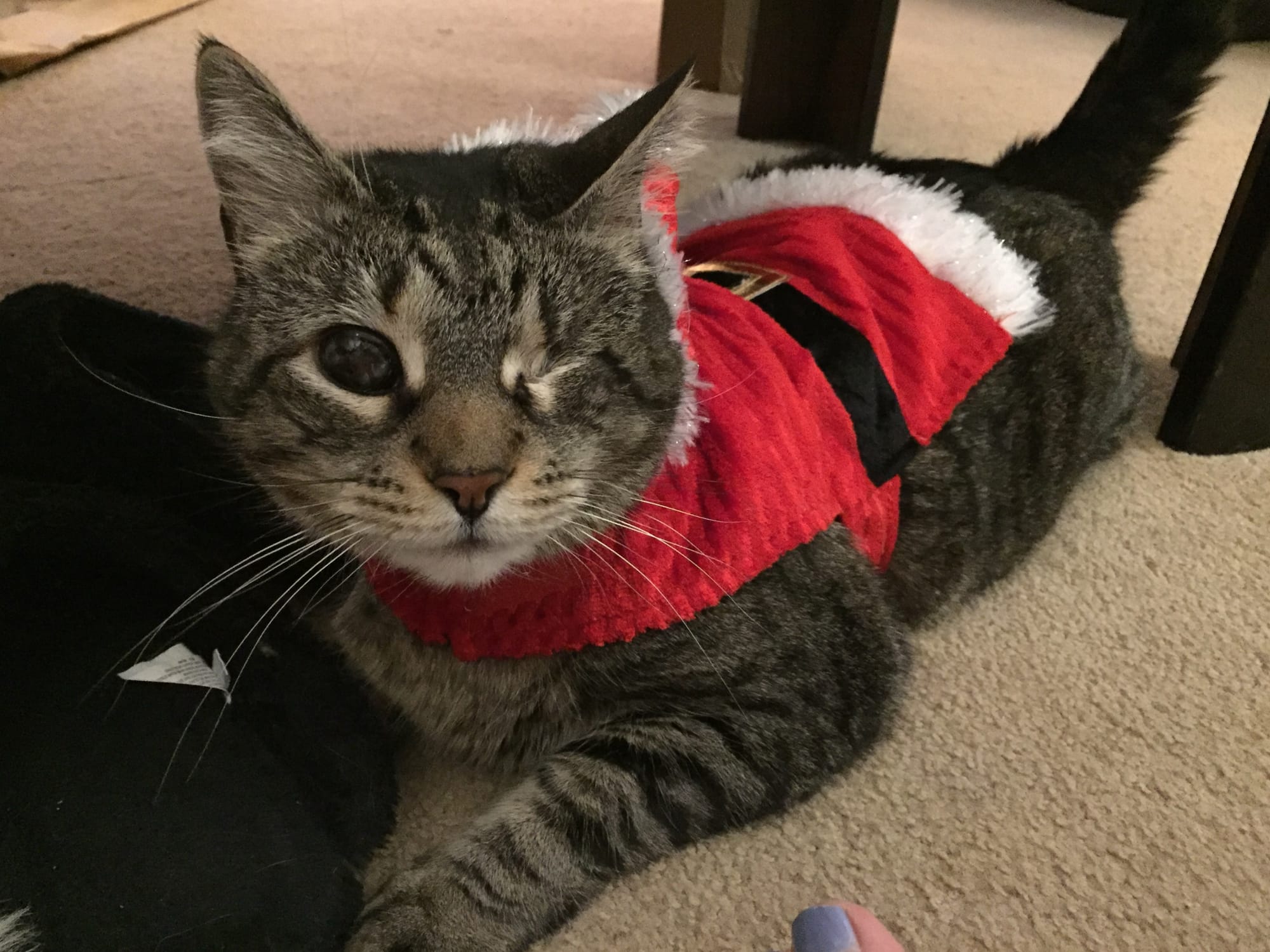
Mercy and Columbus were my first cats I adopted as an adult. I fostered them from a shelter that was looking for help from people with experience in medical care due to the cats needing extra medical attention post Hurricane Katrina. Mercy came with her eye already removed due to severe infection, and her remaining eye had severe scarring leading her to be effectively blind (she could see high contrast shadows on occasion it seemed). Mercy was about 6 months old when she came to me with a 5ish week old Columbus and they greatly loved each other. Mercy would remind me to take study breaks during undergraduate school by tapping me on the leg to ask to play with her.
Once I started veterinary school Mercy started to show her anxiousness at the new schedule by urinating on the couch, on my husband while he was sleeping, and on the bed. I was able to implement environmental changes that helped her and increased her wet food intake, and she stopped those behaviors within about 3 weeks. She did have one recurrence during my second year of veterinary school, but again responded to us spending more time with her and did not have another flare.
Mercy, Columbus, Maggie and I went through 4 moves throughout our lives and they were with me from undergraduate school, through veterinary school, and into my employed adult life. About a year after the third move, from a small apartment to a rented house, Mercy began showing aggression toward Maggie. At the same time, a stray cat began appearing outside the house: looking in windows, urinating around the doors, and meowing at my cats. I suspect this triggered Mercy’s redirected aggression. Unfortunately, despite my attempts to mitigate the behaviors, I was never able to get Mercy and Maggie to get along unsupervised again, even after moving to a new house.
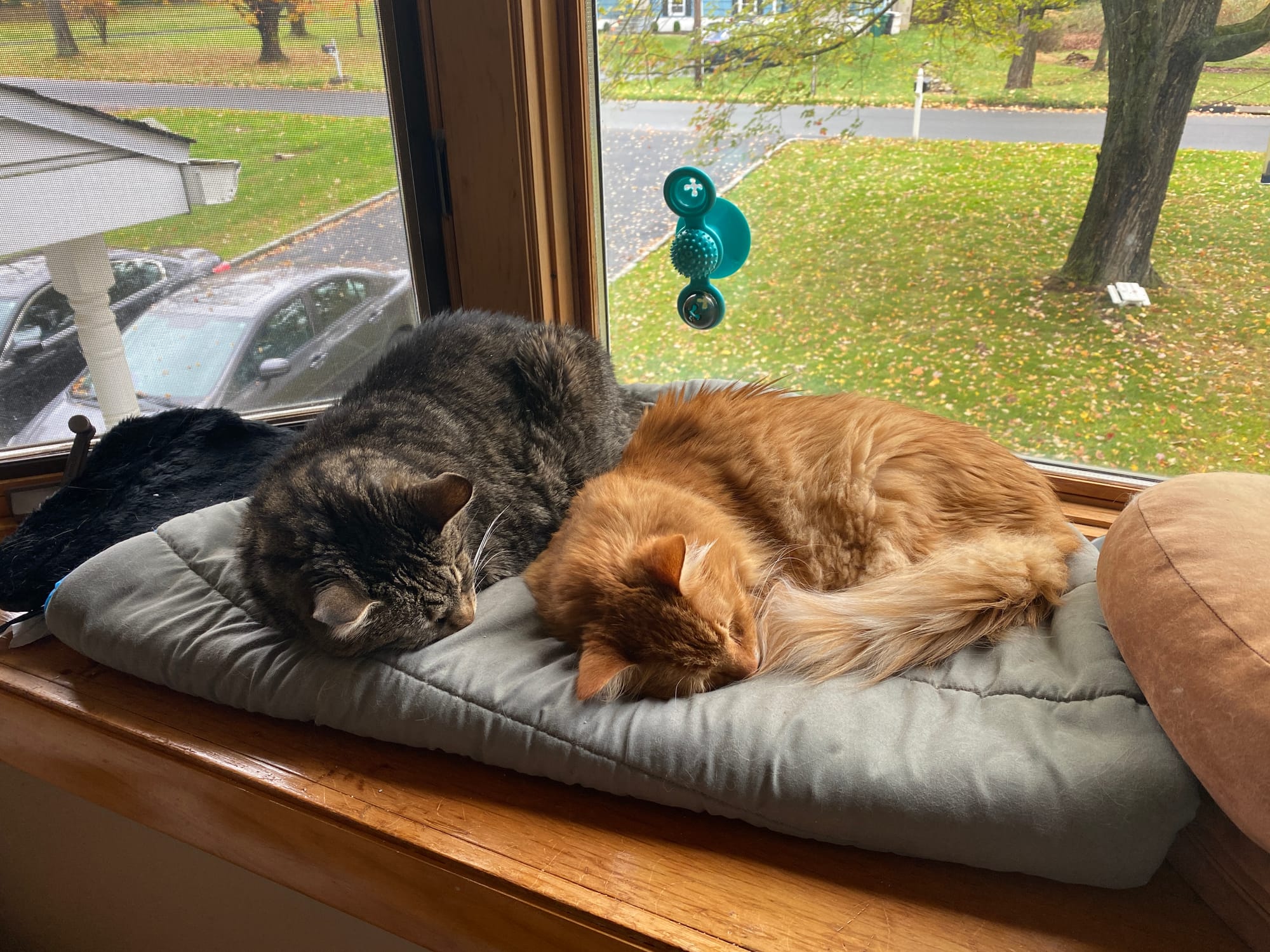
Mercy began to have episodic vomiting at about five years old. I took her for an ultrasound after bloodwork did not reveal an obvious cause and her pancreas was found to be inflamed. She was put on a special diet to help reduce the inflammation and I used medications as soon as there were signs of a flare up (eating less and vomiting).
Long before the aggression started, Mercy had developed Feline Oral Resorptive Lesions that needed extractions. She developed new lesions on her teeth about every six months until she had no teeth left. She was much happier as a toothless, and pain-free cat, and became more outgoing and playful.
She developed asthma that was evidenced by coughing fits, and it was well controlled for many years with chronic steroids. As she got older she developed arthritis that responded well to supplements and pain medications. Mercy, sadly, began to appear bloated; an ultrasound revealed fluid in her abdomen. A sample of the fluid revealed carcinomatosis - a very aggressive type of cancer. She stopped eating within a few weeks of the diagnosis and did not respond to any supportive care. As eating was her favorite thing to do in the world (she was EXTREMELY food motivated) and I was not confident she was not in pain, I elected to euthanize her to help ease her suffering.
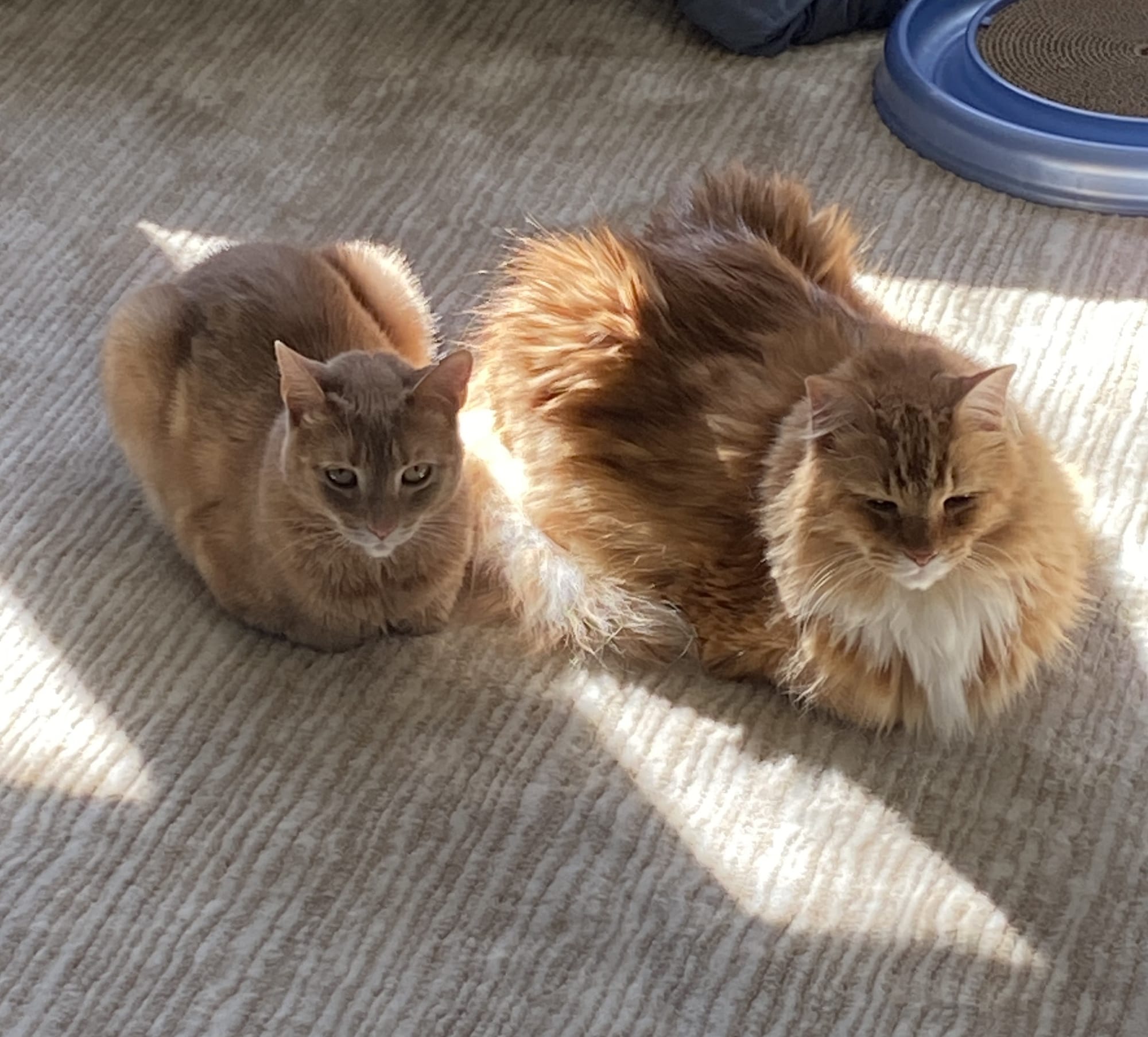
Columbus (aka Chum, Chummy, Busman, Busboy, Bigman)
2005- 2021
Breed: Domestic Longhair
Medical Concerns: Arthritis, Hypertrophic Obstructive Cardiomyopathy, Fibrosarcoma, Nasal Adenocarcinoma, Herpesvirus, Ringworm, and Dentigerous Cyst
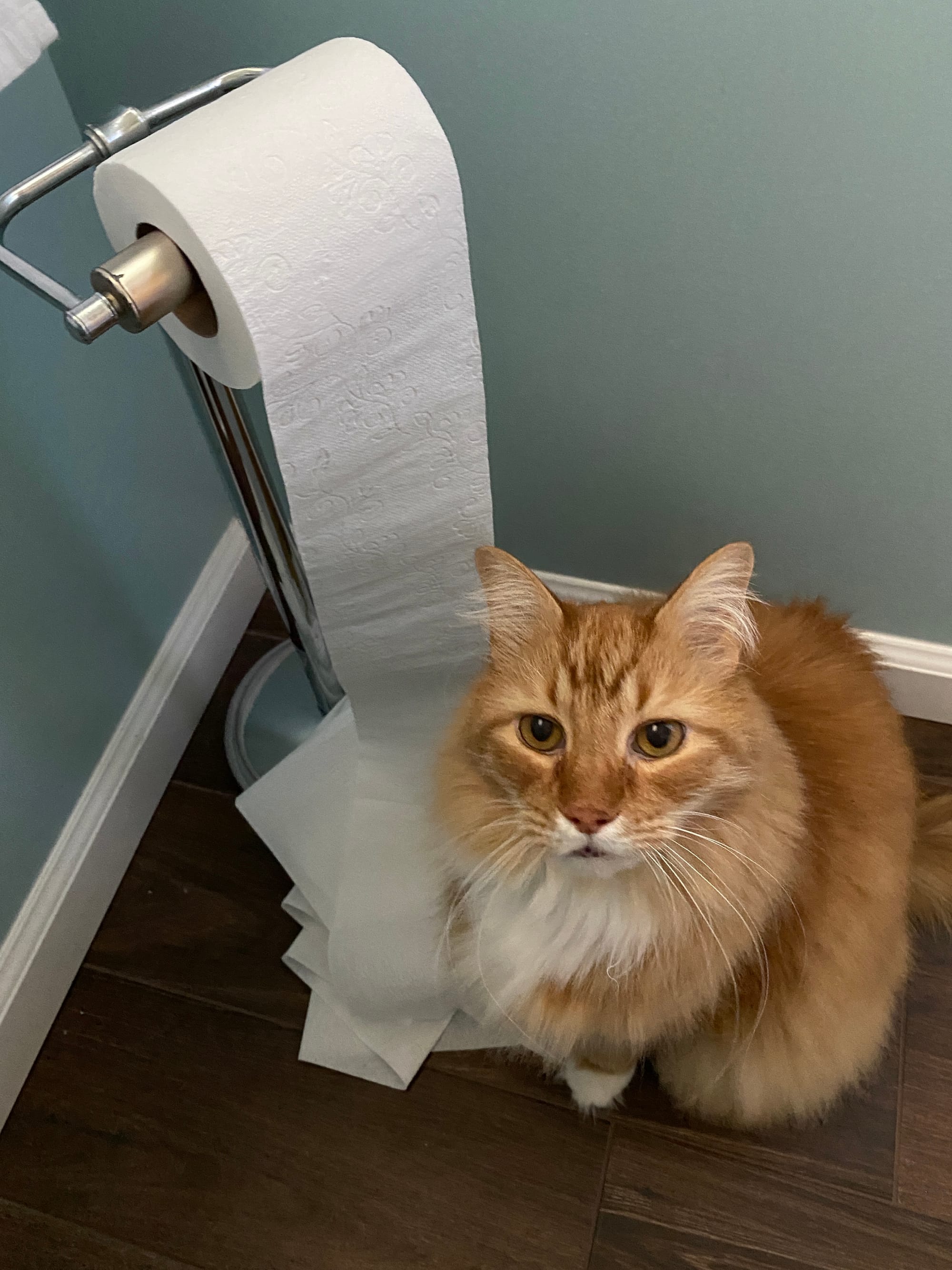
Columbus entered my life as a very young man as a foster along with Mercy. He came to me with a moderate herpesvirus eye infection and ringworm. After a few months of treatment, he became a healthy Busboy.
Columbus was always a very friendly man to both animals and people. He was very laidback. He’d hang out in the middle of a party, ham it up, and serve as the best ambassador to any new cats in the house. He was even friendly to a dog we pet-sat despite him never seeing a dog before in his life. True to his orange cat status, he was not always the smartest (Mercy was), and was often the last to figure things out such as how to use a cat door.
At around 18 months old I noticed he was snoring and brought him to my work (I was a technician at the time) and nothing obvious was found on physical exam. A year later, when I entered vet school, his snoring worsened (he was also overweight), so I took him again to a respiratory specialist.. This time it was noticed that two of his teeth were baby teeth and not adult teeth. We performed a CT scan and found the adult teeth were present in his sinuses and were causing the snoring. After surgery to remove them, his snoring lessened slightly. However, due to the sinus damage the teeth had caused, he continued to snore to some degree for the rest of his life..
At about 10 years old he developed a quiet heart murmur and had an echocardiogram done that revealed significant underlying heart disease (Hypertrophic Cardiomyopathy). In the beginning he did not need any medication, but as the disease progressed he did end up on 4 medications, twice daily. His murmur never changed in quality or loudness, and the heart disease remained well managed throughout the rest of his life. My experience with Columbus showed me firsthand how important it is to do follow up echocardiograms even when the murmur is stable.
Around when Columbus was 12 years old I noticed a small mass on his right front arm that was the size of a pencil eraser. I performed a needle aspirate, and it yielded only fat cells. However, based on how the mass looked and felt, I wasn’t confident in that result and elected to remove it anyway. After sending the entire mass for biopsy it returned as a fibrosarcoma. Fibrosarcomas are locally aggressive, rapidly growing tumors that require large margins of healthy tissue for surgery to be considered potentially curative. I elected to take him back to surgery to get the more aggressive margins needed to reduce the chances of recurrence. Thankfully, this strategy worked and it never returned.
In the fall of 2020 Columbus started to get very infrequent nosebleeds. I checked his blood pressure and took skull x-rays, but found no obvious cause at the time. Due to his heart disease progression I elected not to do a CT scan as any anesthesia would have been risky per the cardiologist. He was a poor candidate for radiation due to anesthesia risks, and if a mass was present, surgical removal would have been difficult given its location. He had a larger nosebleed in the Spring of 2021 and so I repeated the x-rays and found a mass in his sinus (not the same sinus as his dentigerous cyst when he was younger) that was likely the cause. I elected to do supportive care with anti-inflammatories, Yunnan Baiyao, and nose drops. Eventually his quality of life declined: he had trouble breathing normally and lost his appetite. At that point, I opted for a sedated nasal flush (hydropulsion) to remove as much of the mass as possible, despite the significant cardiac risk. I removed the majority of the mass (about 1 cm), and he improved so dramatically that you would never have guessed he had cancer. The biopsy of the mass I was able to remove returned as a malignant and aggressive nasal adenocarcinoma. I started him on an oral chemotherapeutic drug to try to slow the regrowth of the mass to keep him comfortable. Unfortunately after three months he started to become lethargic again and a few days later stopped eating despite supportive care. At that time my husband and I decided that trying to remove that mass again would not be in his best interest as it was unlikely we would get the same amount of time with him with good quality of life. We made the decision to stop his pain, and he fell asleep for the last time purring in my lap.
Kara Caldwell
Species: Human
Hobbies: Computer games, 3D printing, Dungeons and Dragons, Catrepairwoman.com
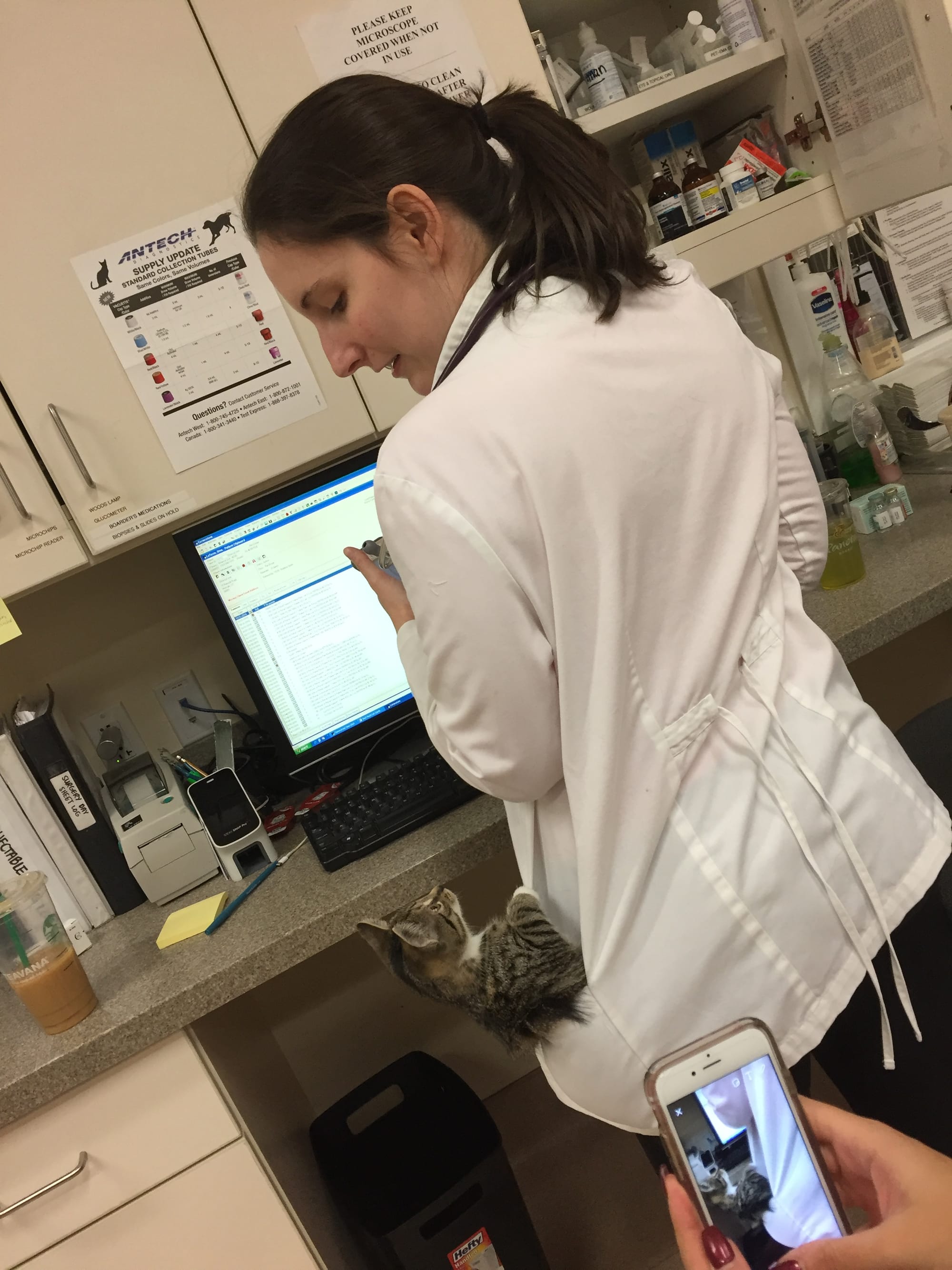
Growing up we did have dogs when I was very young, but I barely remember them. My father worked a local factory where stray cats tended to take shelter. The cats would befriend my dad and a few of his coworkers and the kind humans were suckered into taking care of them. When a cat was able to be caught my dad would sometimes bring them home. My first cat Smokey came home this way when I was about six years old, and she was covered in soot (hence her name). She had babies when she was about 6-7 months old before we had a chance to get her spayed. We were able to get all of her babies homes. Over the years we had several other cats with varying personalities, all indoor-outdoor, and developed various diseases as they aged. They did not frequent the veterinarian so my love of veterinary medicine did not happen until later in life.
I have been in the veterinary world since high school, getting my start at Cats Limited with Dr. Diana Lafer as the kennel assistant after answering an ad for the job in a newspaper. I went to the clinic after school and on weekends and was inspired by the veterinarians who worked there. I was tasked with giving the cats that were boarding their medications and performing some tech appointments as my skills increased. It was through these tech appointments that I met Sean, a buff and white man with kidney disease, owned by Mrs. Lewtan an elderly woman who would take the bus to bring Sean to us for his fluid administration every week. One day when I was bringing Sean back to Mrs. Lewtan after giving him his fluids she said to me that she couldn't wait until I was a veterinarian so she could bring Sean to see me. I had not seriously thought about veterinary school prior to that day (I was leaning more toward technician), but that moment changed my life.
I worked hard in high school and graduated with 21 AP credits transferable to college. I then earned a full Centennial Scholarship to attend the University of Rhode Island for four years. Since I had already over a semester of credits under my belt I decided to stay for all four years of school and graduated with a Bachelor of Science (B.S.) in Biology, as well as a B.S. in Animal Science, a Bachelor of Arts in Psychology, and a minor in Chemistry. At URI, I interned at the Roger Williams Park Zoo in Providence, working in animal care (never stand closer than three feet behind a penguin – it gets messy!). Later, I returned to do a psychology project, designing enrichment for lemurs and peccaries.. I also wanted to experience the research side of medicine and joined the Coastal Fellowship program. I was matched with Dr. Thomas Mather's lab at the Center for Vector-Borne Disease designing anti-tick vaccines for people. I ended up working with the lab for two years and was invited to stay, but I still wanted to be a veterinarian. That experience was invaluable and gave me insight on how vaccines are studied and tested, as well as how to publish papers in journals, and present scientific findings at conferences attended by leading researchers.
I met my husband, Joe, in my last year of undergraduate school and we started dating. We happened to both be moving to Massachusetts after college just a few towns away from each other, him for his job, and me to go to Tufts Cummings School of Veterinary Medicine. We moved to Worcester with my 3 cats into a small condo and stayed there for the next four years. For me the demands of veterinary school made it so I lost touch with pop culture and hobbies. At the time, most veterinary schools emphasized dog medicine; cats were often relegated to a small paragraph at the end, briefly noting their differences. Tufts was also at the forefront of animal welfare: we did not use purpose-bred animals. We spayed and neutered shelter animals, and our teaching cases were real patients who came through the hospital doors, and the cadavers we used were all donated by clients who had lost their pets. I focused on feline medicine even in school and helped develop a hands-on lab using cadavers for my classmates that simulated abscess repair, tooth extraction, unblocking a male cat, and other frequent procedures that were not routinely taught at school. I also served as Treasurer of the Tufts chapter of the American Association of Feline Practitioners, organizing workshops in fear-free handling (before that name existed), feline neurologic exams, and fundraisers. I also attended the University of Minnesota online and during summer breaks to earn my Masters in Public Health. Through my master’s program, I published and presented my thesis on the veterinarian’s role in emergency preparedness and disaster response, focusing on Hurricane Katrina.
In January of my senior year of veterinary school, I saw an ad for a veterinary position at a feline-only practice in my home state of Connecticut. Although I would not be ready to join the practice until July, I took the leap and applied. Thankfully, A Cat's Place seemed like a great fit, and they felt the same about me. I joined the practice on July 5, 2011, and have been there ever since. I treat all my patients the way I would want my cats treated and do my best to focus on advancements in care while keeping in mind the whole family as I practice.
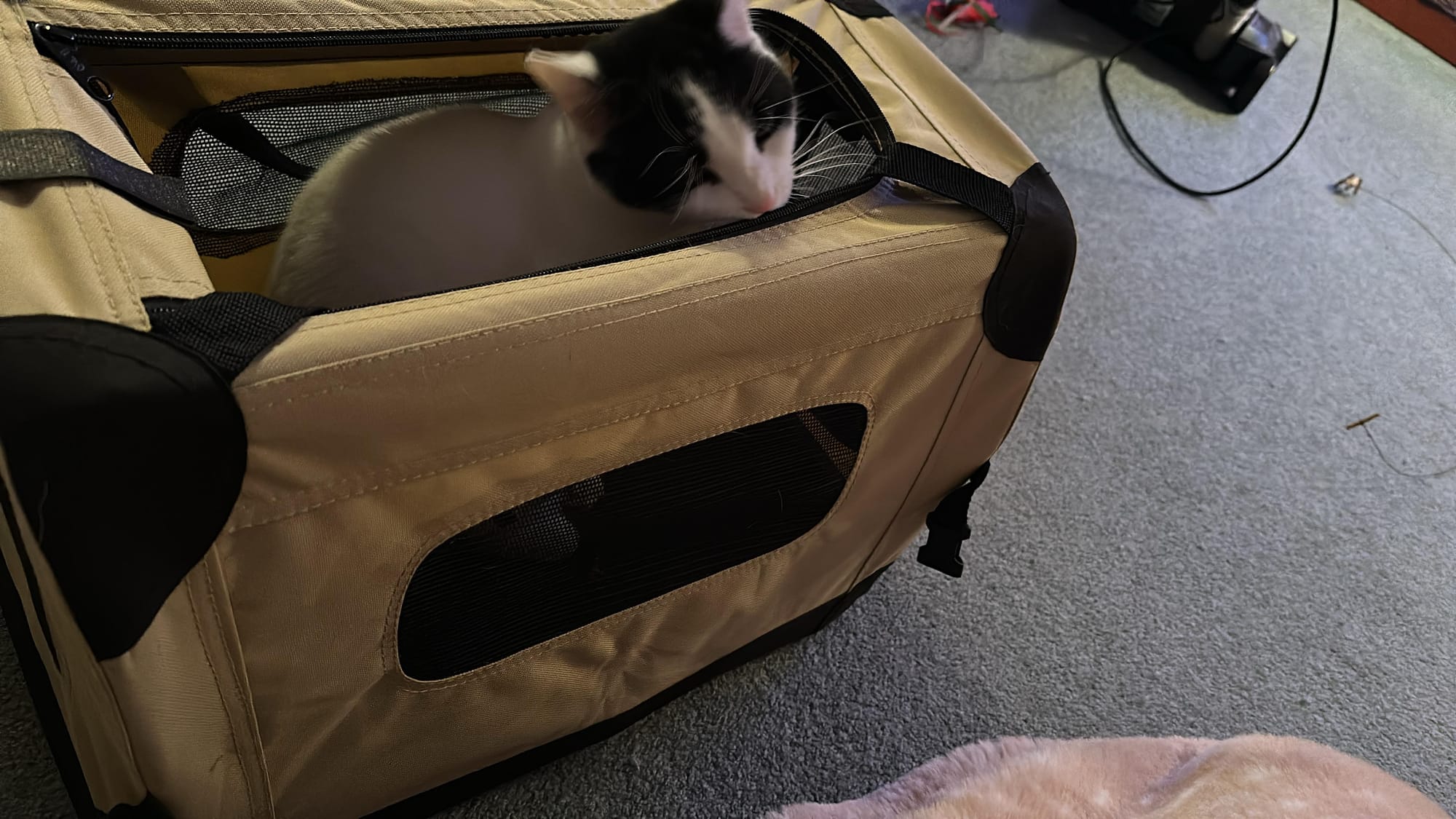
I started CatRepairwoman.com as a way to reach more people beyond my practice, and to dive deeper into topics that help cats receive better care no matter where they live. One of my favorite feedback stories came from a client whose cat hadn’t seen a vet in five years. He said he avoided visiting because getting her into the carrier was too stressful—but after watching my video, he was finally able to do it with minimal stress. I discovered hidden dental disease and an ear infection. She was treated, and afterward the owner told me he hadn’t realized how much discomfort she was in—she started playing like a kitten again.
My goal is to help as many cats as possible live healthy, happy lives—because every cat deserves the best care
Joe Conlin
Species: Human
Hobbies: Synthesizer tinkering, Pathfinder playing, video editing
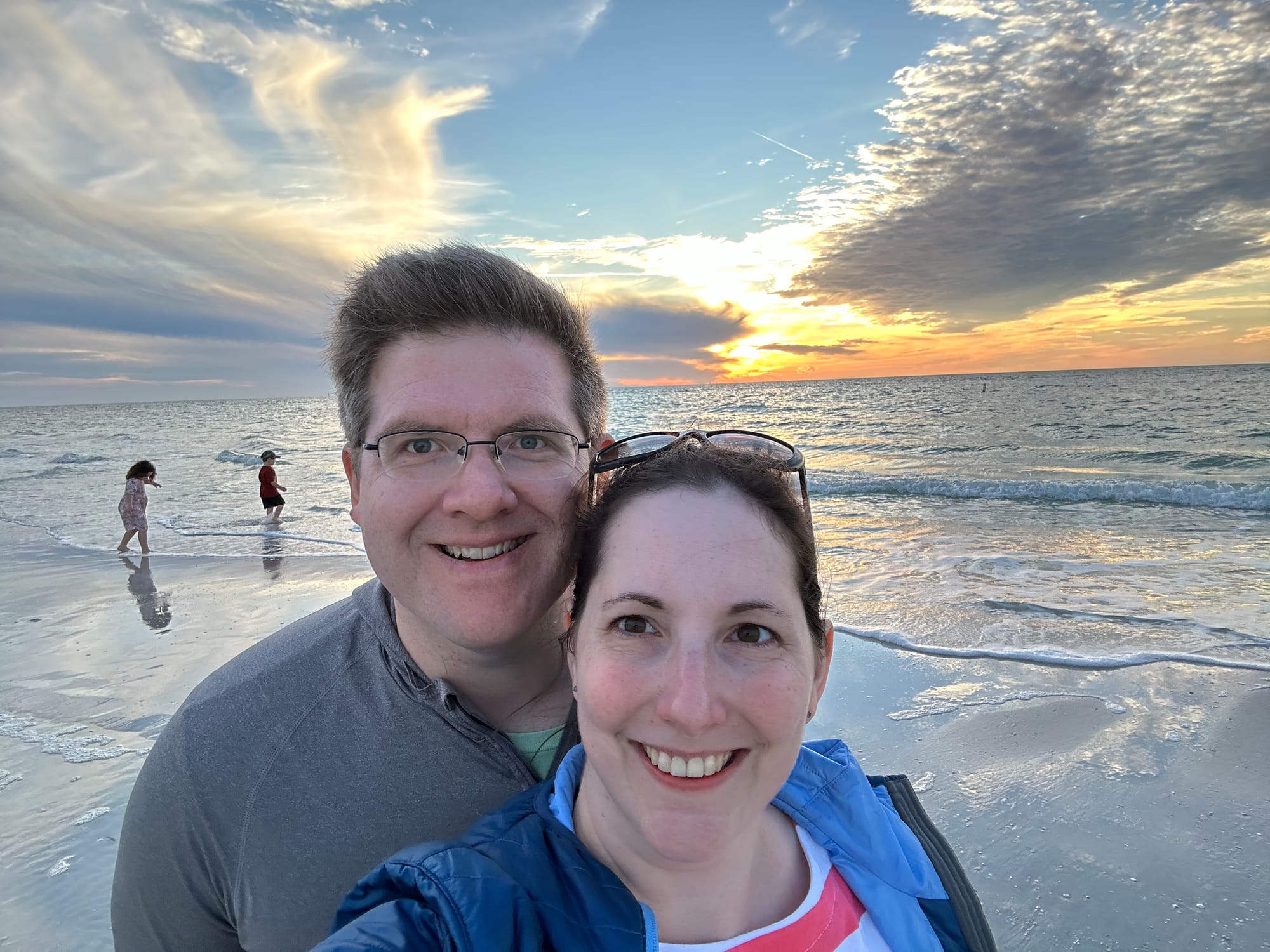
Joe grew up in Rhode Island and attended the University of Rhode Island where he and Kara met. He majored in Computer Sciences and has held several technology related positions at various companies over the years. In addition to his day job, he edits and produces the CatRepairwoman videos, maintains the hardware, and handles all technology research and purchasing for the site. He designed the Catrepairwoman.com cat food calculator using the math and guidance Kara provided. He became a cat fan after meeting Columbus, Maggie, and Mercy in 2007, and is deeply supportive of enriching their lives with toys and play.