
Considering Quality of Life and Euthanasia
Quality of life is very important to evaluate on a regular basis for any patient and is more multifaceted than most people expect. Quality of life is also very individualistic, meaning what constitutes a good quality of life for one cat, may be a compromised quality of life for another.

Watch the companion video on YouTube
WHAT IS QUALITY OF LIFE?
Let's start by defining "Quality of Life". Quality of life refers to the day to day habits and ability to meet basic needs for a pet nearing the end of its life. I also like to start considering quality of life in older animals that may be suffering from chronic disease such as arthritis, diabetes, or kidney disease. Quality of life matters long before euthanasia becomes a consideration.
Quality of life does not mean only whether or not a cat is still eating/able to eat, but also if they are still able to do the things the enjoy to do in life. When evaluating quality of life it can be helpful to try to make a list of all the things your cat normally would enjoy doing, such as sleeping on a windowsill, spending time with you, playing with toys, etc. If you have noticed less of any behavior, try to consider why that may be happening - for no longer sleeping on a windowsill is that happening because there are items on the windowsill? Is the sun no longer hitting that window making it less desirable? or is your cat having trouble getting to that location due to arthritis pain? Once you identify the reason for the change you can talk to your vet about ways to intervene such as pain medication, providing pet stairs, or supplements.
Quality of life does not mean only whether or not a cat is still eating/able to eat, but also if they are still able to do the things the enjoy to do in life.
There are many quizzes that are available to try to help you identify areas of your cat's quality of life that can be improved, as well as let you know if it is compromised to a point that euthanasia may need to be considered. A few of my favorites are linked here:
- https://www.lapoflove.com/how-will-i-know-it-is-time/lap-of-love-quality-of-life-scale.pdf
- https://caringpathways.com/wp-content/uploads/2018/02/QualityofLifeScale.pdf
One other way to monitor quality of life is to start marking bad days and good days on the calendar and to consider euthanasia when bad days outnumber the good.
A low quality of life score does not automatically mean your cat should be euthanized if you have not yet attempted intervention to improve it. Once you have identified areas of your cat's quality of life that need to be modified, bring your concerns to your veterinarian to help you strategize ways to improve them. Some of them may be simple, while others may need more significant intervention.
IMPROVING QUALITY OF LIFE: WHOLE FAMILY APPROACH
What many of these scales lack is consideration of how making these changes may impact your bond with your cat or your cat's quality of life in other ways.
Let me explain:
A skittish cat that is happy to live in your home, but is difficult to catch and avoids touch that they do not initiate, would hate to have subcutaneous fluids administered for the rest of its life if it was diagnosed with kidney disease. For this cat, giving fluids would improve hydration, but possibly decrease mental health in doing so. Discussing these concerns and being upfront with your veterinarian is very important when discussing care plans for chronic disease so we can come up with the best plan that keeps in mind long-term quality of life.
Veterinarians' jobs are to discuss with you all of your options of things you CAN do, and then help you identify what you SHOULD do based on many factors, including quality of life, your bond with your cat, financial resources, and emotional resources of everyone involved. Your veterinarian would not judge you if you determine that subcutaneous fluids is not the right thing to do for your pet and family, and help you come up with other interventions that may improve quality of life or slow down the disease process such as increasing omega 3 fatty acids in food, using phosphorus binders, and increasing hydration with oral methods.
WHEN TO CONSIDER EUTHANASIA
When quality of life has become compromised to a level that interventions are no longer improving it, then it is time to consider euthanasia. Euthanasia is a way to relieve pain and suffering when no other options are working, or when those options are not the right choice for your situation (for example an 18 year old cat with significant chronic kidney disease that has a large mass in their abdomen preventing them from eating and causing pain - surgery is an option, but probably not the right one for this situation).
Euthanasia can be performed at the clinic, or in your home. The decision on if to have it done at home or in a clinic is very personal, and there are no wrong choices. Your local veterinarian will likely have a few at-home euthanasia services they can refer you to if they do not perform the service at home themselves.
When quality of life has become compromised to a level that interventions are no longer improving it, then it is time to consider euthanasia.
WHAT TO EXPECT DURING EUTHANASIA
Ask your veterinarian what to expect during the euthanasia process at your clinic, as there are a few acceptable methods of performing the procedure. Some veterinarians will place an intravenous catheter and administer all medications that way, some will give anti-anxiety medication then place the catheter, and some use no catheter at all. No matter the method, typically a sedative is given to make your cat unconscious that acts within 30 seconds to 3 minutes depending on how it is given, followed by an overdose of an anesthetic agent (pentobarbital) to allow your cat to pass peacefully that acts within 5- 20 seconds. Things you may notice during the procedure are that a pet's eyes remain open even after they pass, many will urinate or defecate afterwards, and a few can make muscle movements that resemble breathing or stretching and this can be very normal. You are welcome to stay with your cat throughout the procedure, only for the sedative, or leave them at the clinic. In any scenario your vet will ask you to sign a form to authorize the procedure.
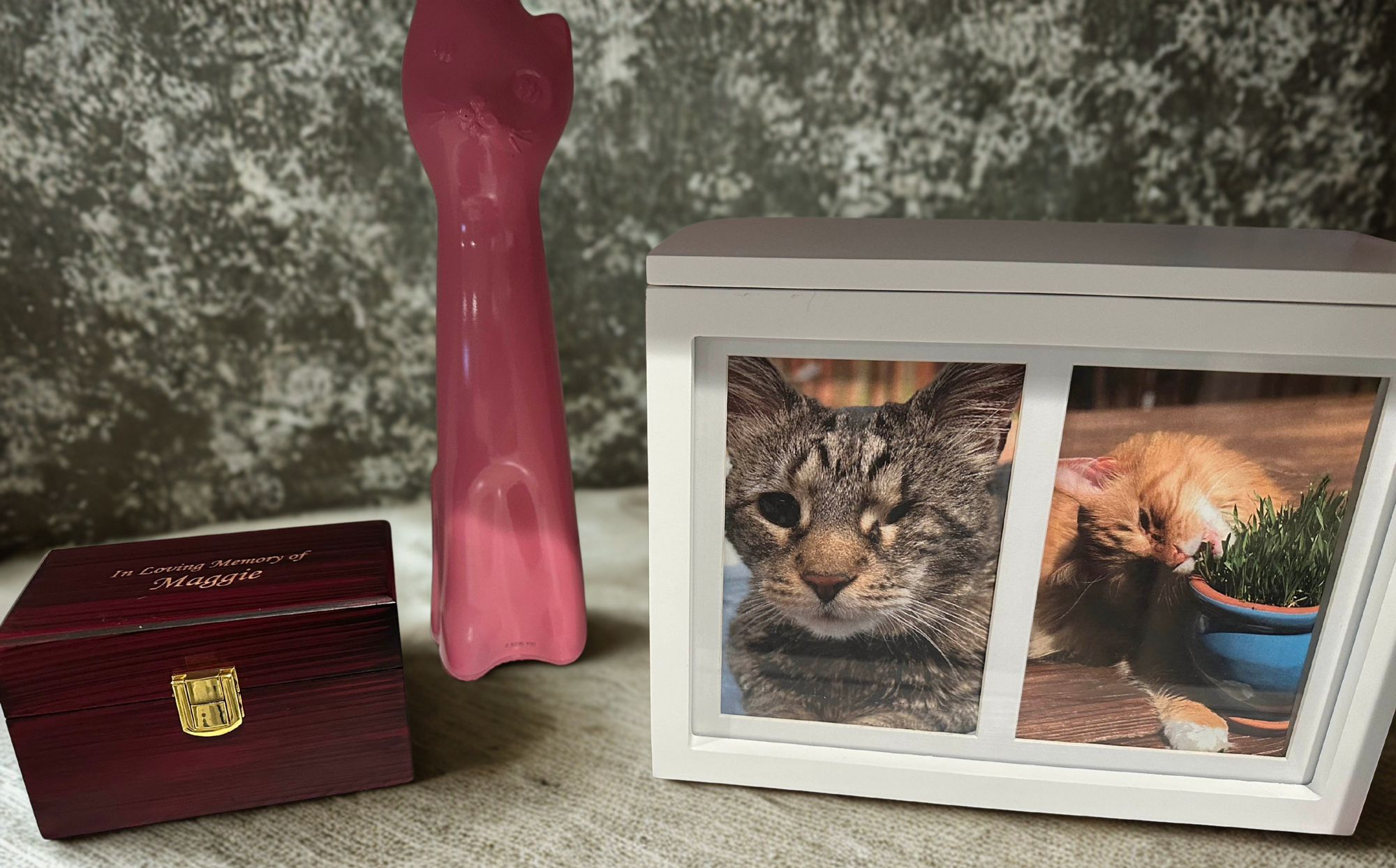
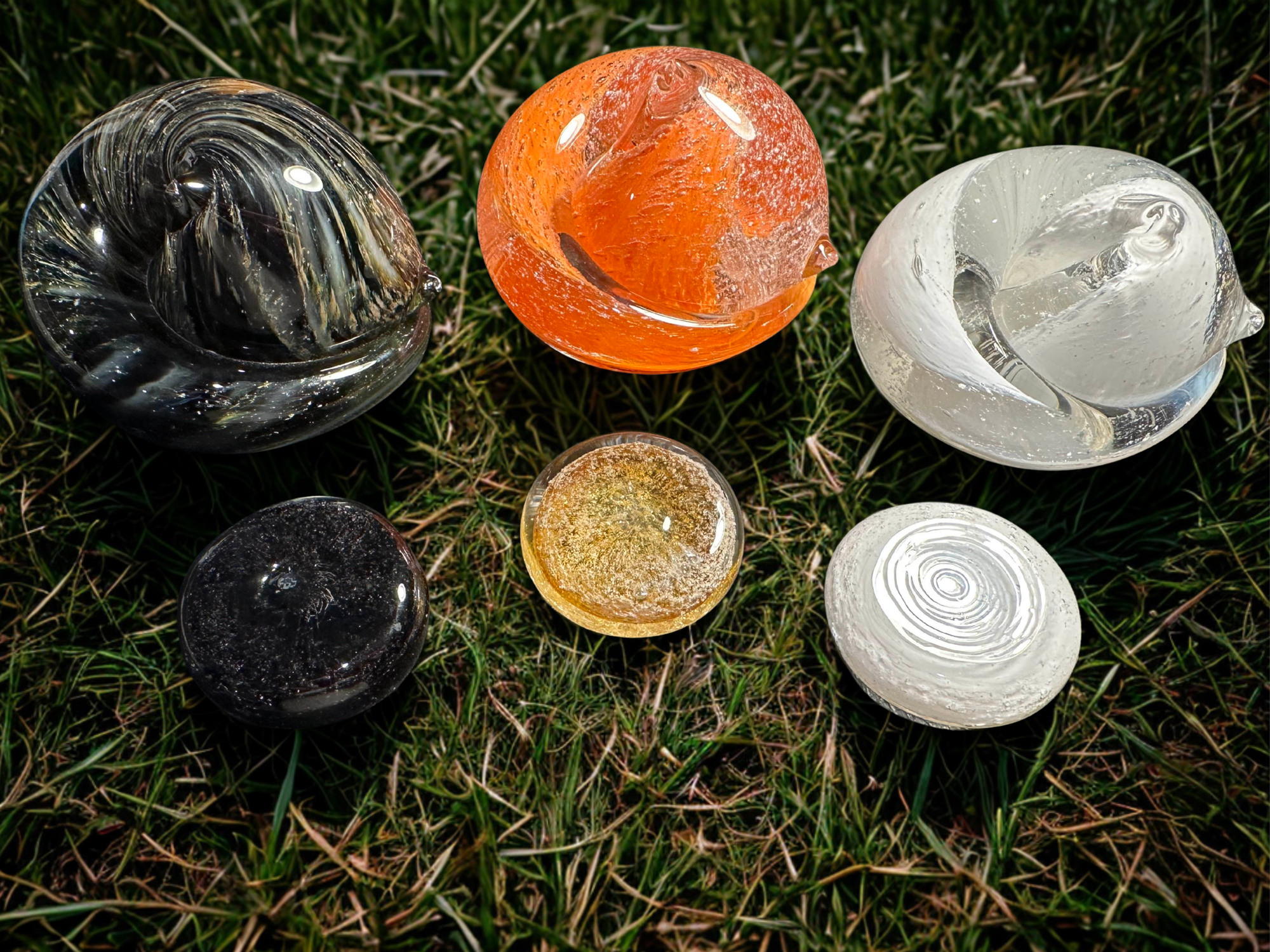
Body care can have various options, but generally you can take your cat's body home for burial following local laws, have your pet cremated and the ashes returned to you, or cremation and have the ashes spread at the cemetery. There are also ways to honor your pet such as memorial trees, donations to research funds or rescue groups, memorial jewelry made from ashes, glass figures, etc.
RESOURCES FOR GRIEF COUNSELING AND PREPARING FOR EUTHANASIA
Please leave a comment with any questions or use the below links to look more into quality of life and how to prepare your family for euthanasia.
Ohio State University Veterinary Medical Center Honoring the Bond Program
International Association for Animal Hospice and Palliative Care
PET LOSS HOTLINES
Lap of Love Pet Loss & Bereavement Support Call: 855-352-5683
Cornell University Pet Loss Support Call: 607-218-7457
Tufts University Pet Loss Support Hotline Call: 508-839-7966
ONLINE SUPPORT GROUPS
If you prefer group chats or online pet loss support groups, the following is a helpful link for those who have experienced the loss of a pet, including equine, farm and assistance dogs.
Association for Pet Loss and Bereavement
You can learn more about my background and approach to care on the About page.