
Best Litter Box Setup for Cats: Size, Location, Cleaning, and Common Mistakes
Litter box problems are one of the biggest reasons cats are relinquished to the shelter or re-homed. My goal is to prevent that from happening, but it can be hard to figure out sometimes as cats do not speak our language.
Let's Talk Litter Box
Litter box problems are one of the biggest reasons cats are relinquished to the shelter or re-homed. My goal is to prevent that from happening, but it can be hard to figure out sometimes as cats do not speak our language.
Litter boxes are not one size fits all. Studies continue to be done on what cats prefer to try to help with general guidelines to set owners up for success, and we are still learning! This article will go over the most recent recommendations for litter boxes as well as my personal advice based on my experience as an owner and what I have come across over the years as a veterinarian.
Lets start with what is generally accepted as the best practice advice in the veterinary world.
Litter Box Veterinary Best Practices
How Many Litter Boxes Should You Have
You should have the number of litter boxes equal to the number of cats you have plus one. Therefore if you have 3 cats you should have 4 litter boxes. Unfortunately, in your cat's mind if you put 3 boxes all next to each other, that counts as one large box. Each box should be in a different location, and if you have multiple floors to your house, there should be one per floor at minimum.
Ideal Litter Box Locations
Litter boxes should be in low traffic areas that are easy to access. They should be well lit as well, and near where your cat likes to hang out. Generally, cats do not like the litter box near where they eat or drink so keep litter boxes out of their dining areas. Avoid laundry rooms and furnaces that make unpredictable and potentially scary noises.
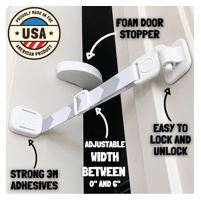
An open closet may work well for both you and your cat, but make sure the door cannot be accidentally shut and use battery operated stick up lights for illumination if needed.
This door stop (Door Buddy) was used by one of my clients and they highly recommend it:
Litter Box Size
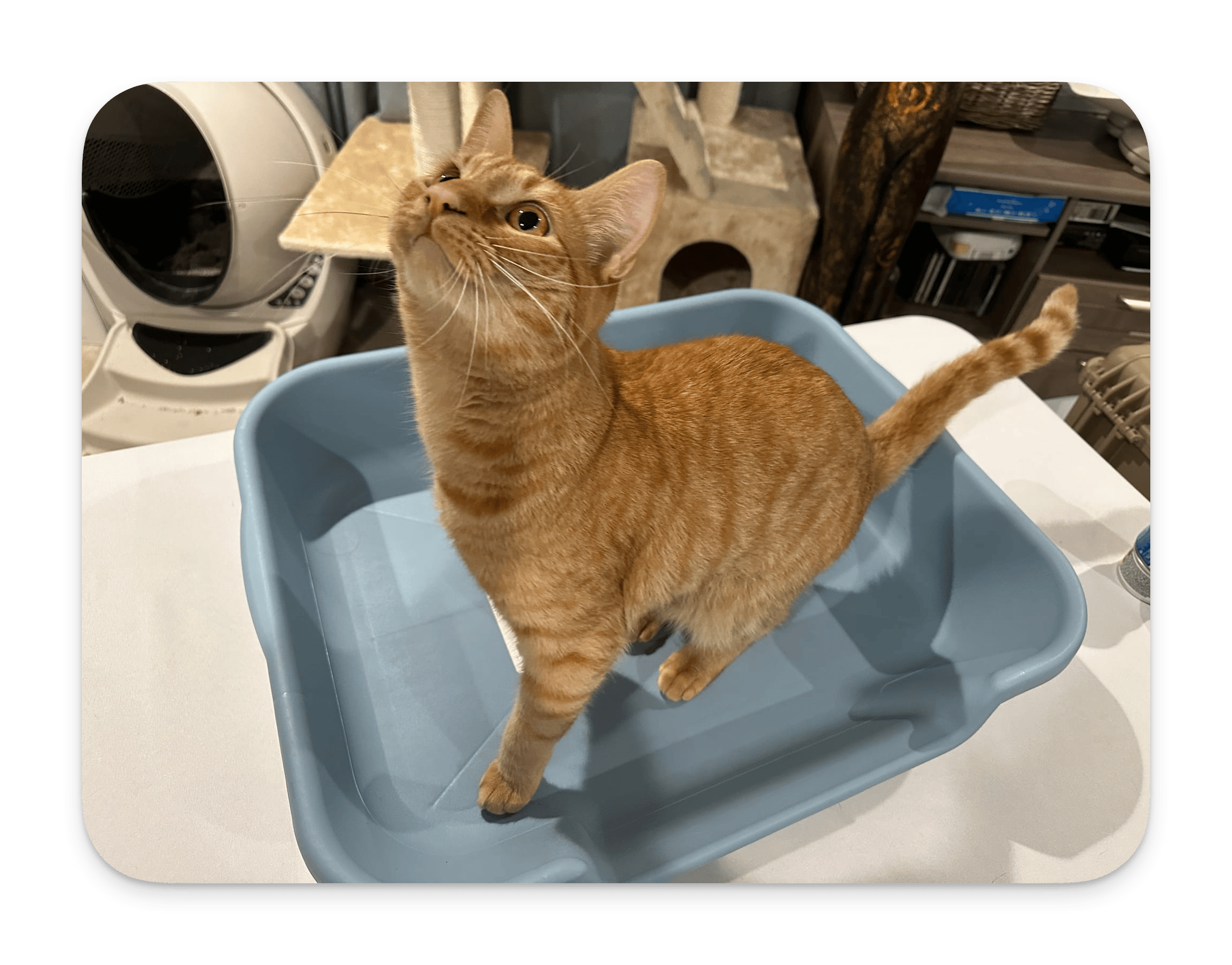
Litter box size should be about 1.5x the length of your cat from nose to tail. It can be very hard to find a litter box that meets this criteria if you have a larger cat, and you can try alternatives to a traditional litter box if needed. Some of my favorite things to use are under-bed storage boxes or cement mixing trays like the one below:
 Unbranded
I have personally used both options when Columbus was still alive as he was a large orange man and they both worked well. As the litter box alternatives got older they would get deeper scratches that were harder to clean and needed to be replaced periodically. The need to replace litter boxes is true of any litter box that can no longer be cleaned to remove odors.
Litter Box Material
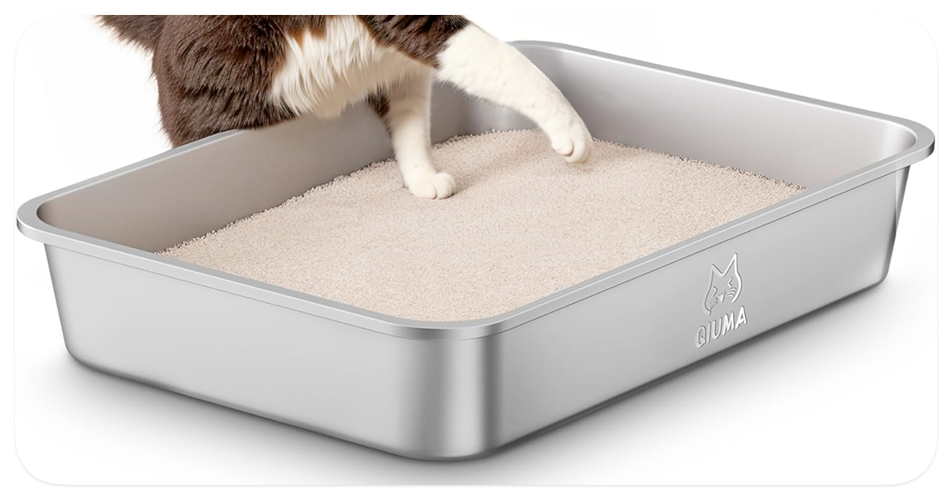
Plastic litter boxes are easiest to find and cheaper than stainless steel models. They can also be modified to lower the sides if needed if your cat has an injury or is arthritic and needs a low entrance. However, stainless models have the advantage of not holding onto bacteria, odors, and being generally easier to clean.
Covered or Uncovered
Whether a covered or uncovered litter box is "best practice" up for debate. Traditionally it was recommended that most cats prefer uncovered litter boxes, but some studies have shown that some cats may prefer covered boxes (see citation below). For this reason I would recommend trying both and seeing what your cats preferences are. If your cat is going outside the box and you only have one type, try introducing the other type to see if it helps, but leave the original box accessible just in case.
Whether a covered or uncovered litter box is "best practice" up for debate.
My own cat that is more timid seems to prefer uncovered which appears to be true for most cats that have this personality type in my experience. It is thought that cats that are victims of inter-cat aggression prefer the option for multiple exit points when they feel vulnerable. I have seen the opposite also be true where some prefer the safety of not having to watch their backs. For this reason I recommend having both types available and if your cat shows preference for the uncovered type you can always remove the top.
Cleaning your Litter Box
Scooping daily helps you catch medical concerns that can be deadly quickly - for example some cats can become "blocked" and be unable to urinate.
Similarly, many small urine clumps can also indicate a medical problem. Being familiar with your cat's normal output is essential to picking up on medical concerns before they become emergencies. When in doubt bring pictures of your cat's clumps and poop to the vet. Remember, vets love poop! One person's loose stool is another person's diarrhea so pictures or samples can be VERY helpful. The same goes for urine clumps. If your cat's clumps are normally the size of tennis balls and they start going down to golf balls or up to baseballs that can indicate underlying diseases and is very helpful for your vet to know.

Clean your litter box thoroughly once weekly. To do this, remove all litter and dispose. Soak the entire box in hot water with a small amount of regular dawn dish soap; you can add a small amount of vinegar or hydrogen peroxide to deodorize if needed. After a few minutes of soaking, use a sponge dedicated to litter box cleaning to give the entire box a wipe down. Dump the dirty water and rinse with hot water, then dry thoroughly before replacing the litter. Using bleach and other harsh cleaners can leave residual toxins and odors and make your cat not want to use the box.
Litter-Robot Automatic Litter Boxes
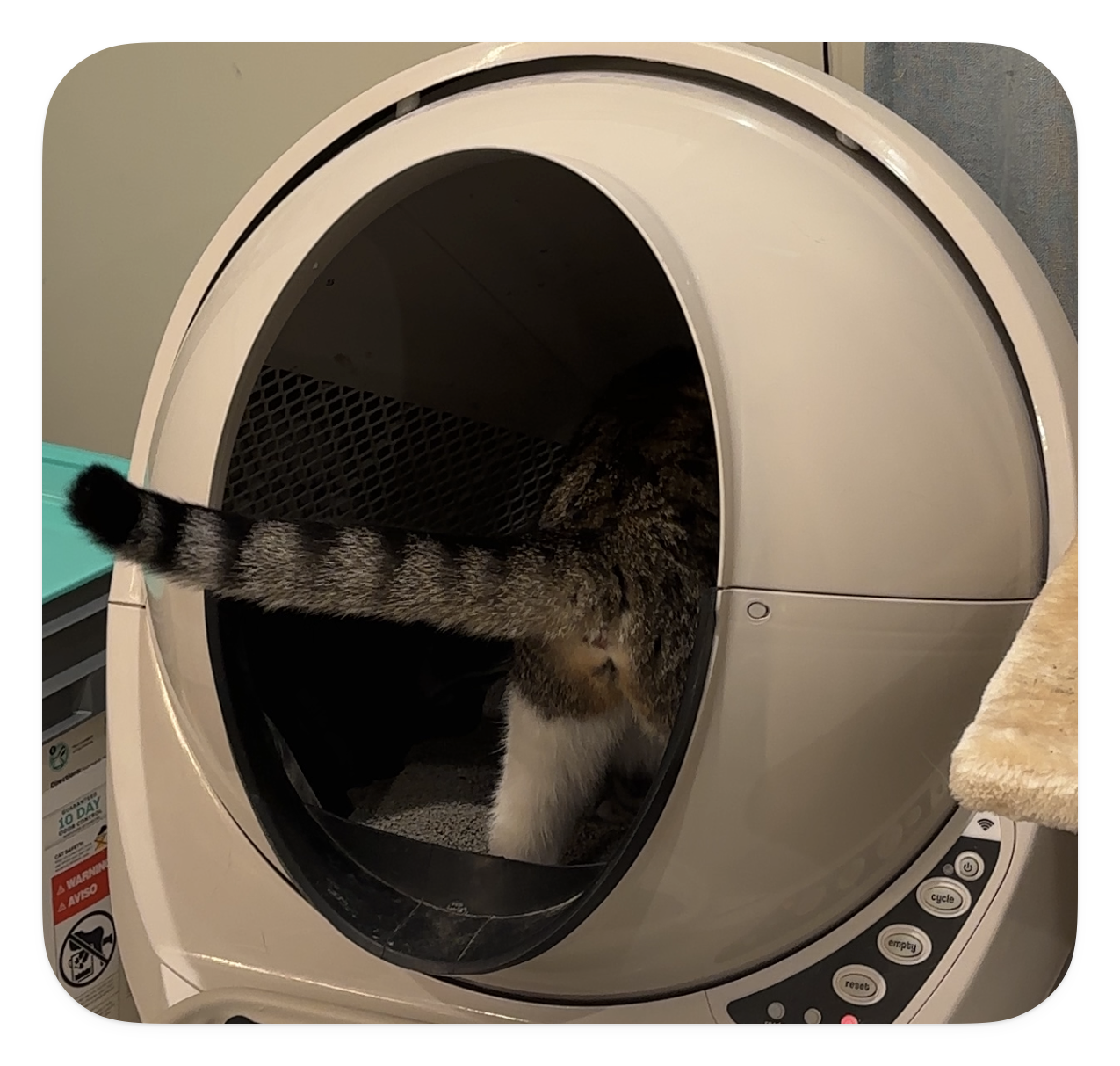
I own 2 Litter-Robots myself (a 3 Connect and a 4 model) and have a love/hate relationship with them both as an owner and as a vet. I purchased mine when one of my cats went on chemotherapy to limit my exposure to the metabolites as well as my other cats exposure when they used the box. I have now owned these boxes for close to 6 years as well as an under-bed storage box that I use as a litter box. Two of my cats prefer the Litter Robots, and one prefers the under-bed storage box.
Pros (Loves):
- Litter is kept clean which most cats greatly prefer. I suspect this is why my cats prefer it.
- I was able to detect a urinary issue in Tuna due to the fact she was going to the litter box many times per day which I would not have noticed as quickly without the app.
- When Columbus was on chemotherapy it limited exposure to the chemo waste products to myself and the other cats, which is crucial to do.
- Litter Robot customer service is great in general
Cons (Hates):
- If your cat is having diarrhea or constipation you may not notice since you are not scooping the box.
- The box is covered which some cats do not prefer
- The litter area is small and large cats may have trouble fitting (Obie is long and he sticks out, but he does not seem to mind too much)
- I have had trouble with the sensors on both litter robots over time requiring fixing and purchase of parts when out of warranty.
- Doing the thorough cleaning is sometimes a pain to do, but at least is done infrequently if you keep up with the spot cleaning. Depending on your time constraints this could be a pro or con. Do you have a few minutes daily or do you have less time daily, but more time on a weekend to dedicate to deeper cleaning?
- Cats that are similar weight will often fool the sensors. For example Obie, Scoots, and Tuna are all within 1/2 pound of each other so both models often thinks Tuna is Obie or vice versa, making the tracking of who is using the litter box and how often unreliable.
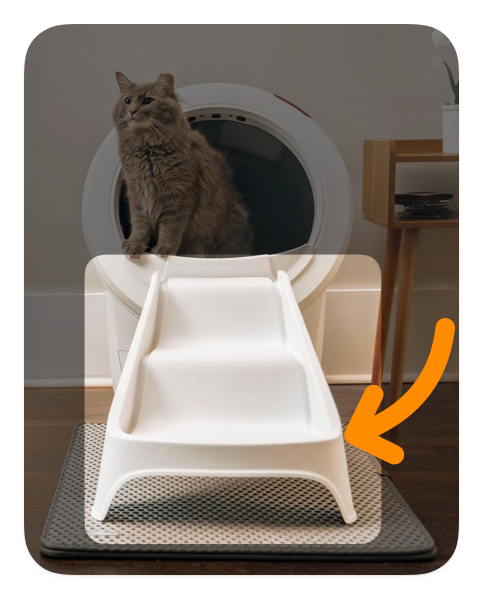
- Senior cats may have trouble getting into the litter box (there is a ramp you can purchase to help with this, but it still may be difficult for some):
UPDATE 11/10/2025: The new Litter Robot 5 Pro was announced and is aimed at addressing some of the above concerns using facial recognition and waste recognition. I have purchased the new Litter Robot 5 Pro and the Whisker+ program and will be filming a review once it is received. If the new box addresses many of the above concerns I will be much happier recommending it as a veterinarian.
Litter Boxes that I Recommend
Low Entry
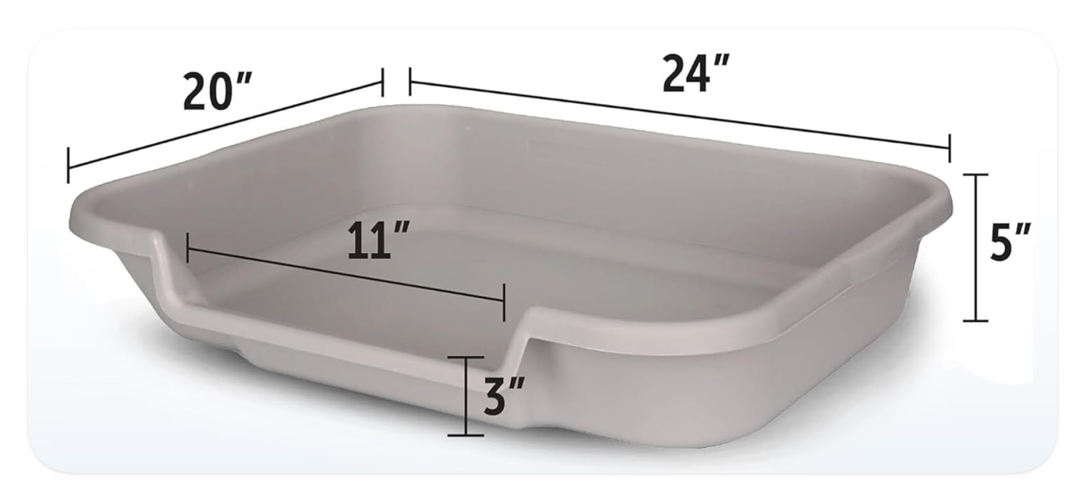
Look for a litter Box with a low entry point - you do not want to have to jump into the bathroom, and neither would your cat. Stainless steel is easier to clean, but harder to find. Experiment to find what works best for your cats!
The KittyGoHere litter box is great box for senior cats and kittens due to low entry:
Automatic Cleaning Litter Box
The Litter Robot is the best automatic cleaning box I have found due to its safety features and cleaning.
Litter Robot $50 off Coupon Referral Code if you would like to purchase it
High Sided Litter Boxes
High sided litter boxes are great for the cats who do not (or cannot) squat. The high-sides will help prevent accidental messes.
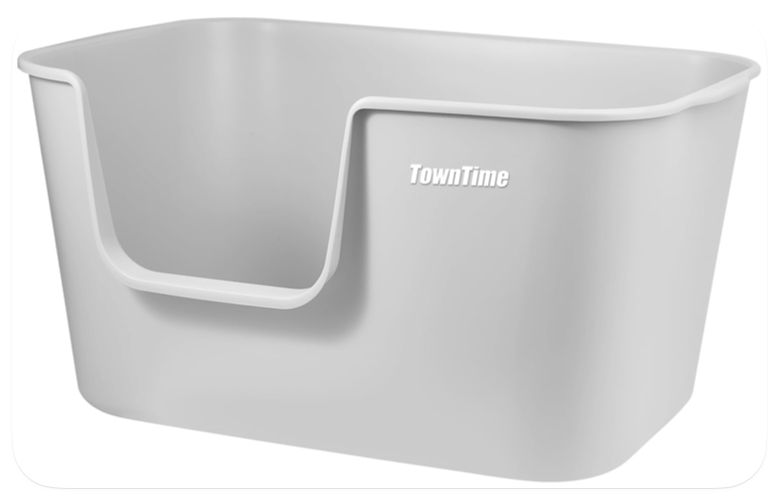
Low Entry and High Sides
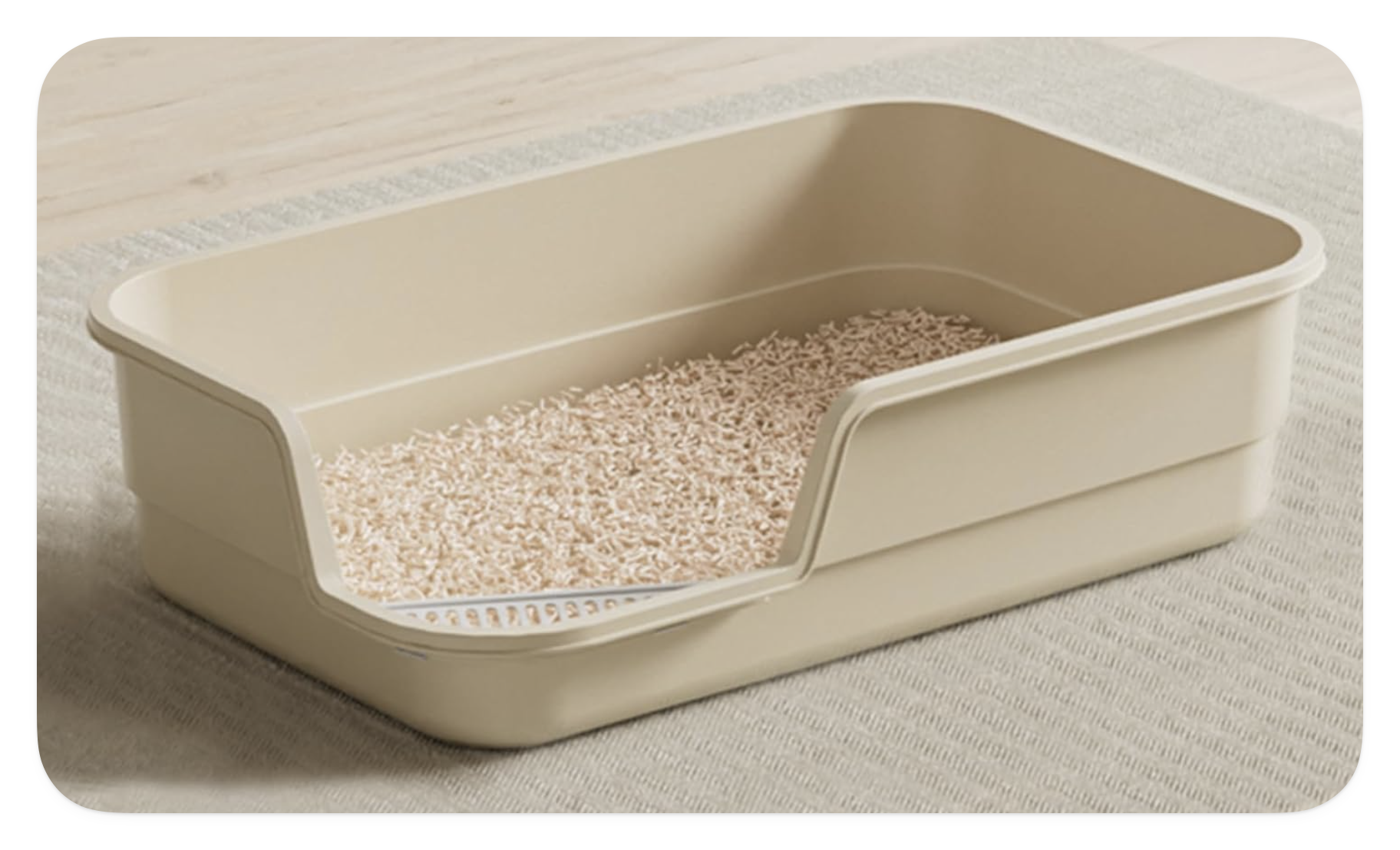
While I have not tried the model shown here, it looks great for being both low-entry and high-sided. My only suggested modification to this design would be to remove the grate at the entry as that would be hard to navigate:
Covered Litter Boxes
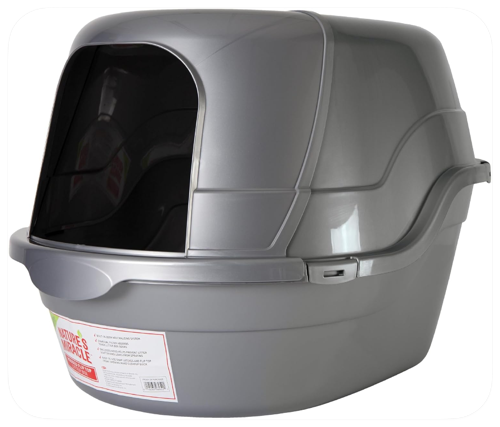
I used an older version of the Nature's Miracle hooded litter box shown below and it was easy to clean. The extra seams can collect dust and urine however making cleaning more challenging. The flip top option was a nice feature to have in an apartment setting.
Stainless Steel Litter Box
I have not used this particular model, however it meets the criteria for a quality low-entry litter box. Some of the Amazon reviews mention that theirs arrived dented, which is the downside of a metal litter box. Dents could make cleaning more difficult, and certainly if there is damage from shipping or age, be careful that there are no sharp edges or points in the metal that could be hazardous to your cats!
Setting up a new cat's home? Check out my Essential Guide to Supplies and Toys for Your New Cat for more vet-backed recommendations.
Citations
Grigg, E. K., Pick, L., & Nibblett, B. (2013). Litter box preference in domestic cats: Covered versus uncovered. Journal of Feline Medicine and Surgery, 15(4), 280–284. https://doi.org/10.1177/1098612X12465606
I only link to products I actually use or would recommend to my own clients. Some links are Amazon affiliate links, and as an Amazon Associate I earn from qualifying purchases.