
Veterinarian’s Guide to Choosing the Best Cat Carrier
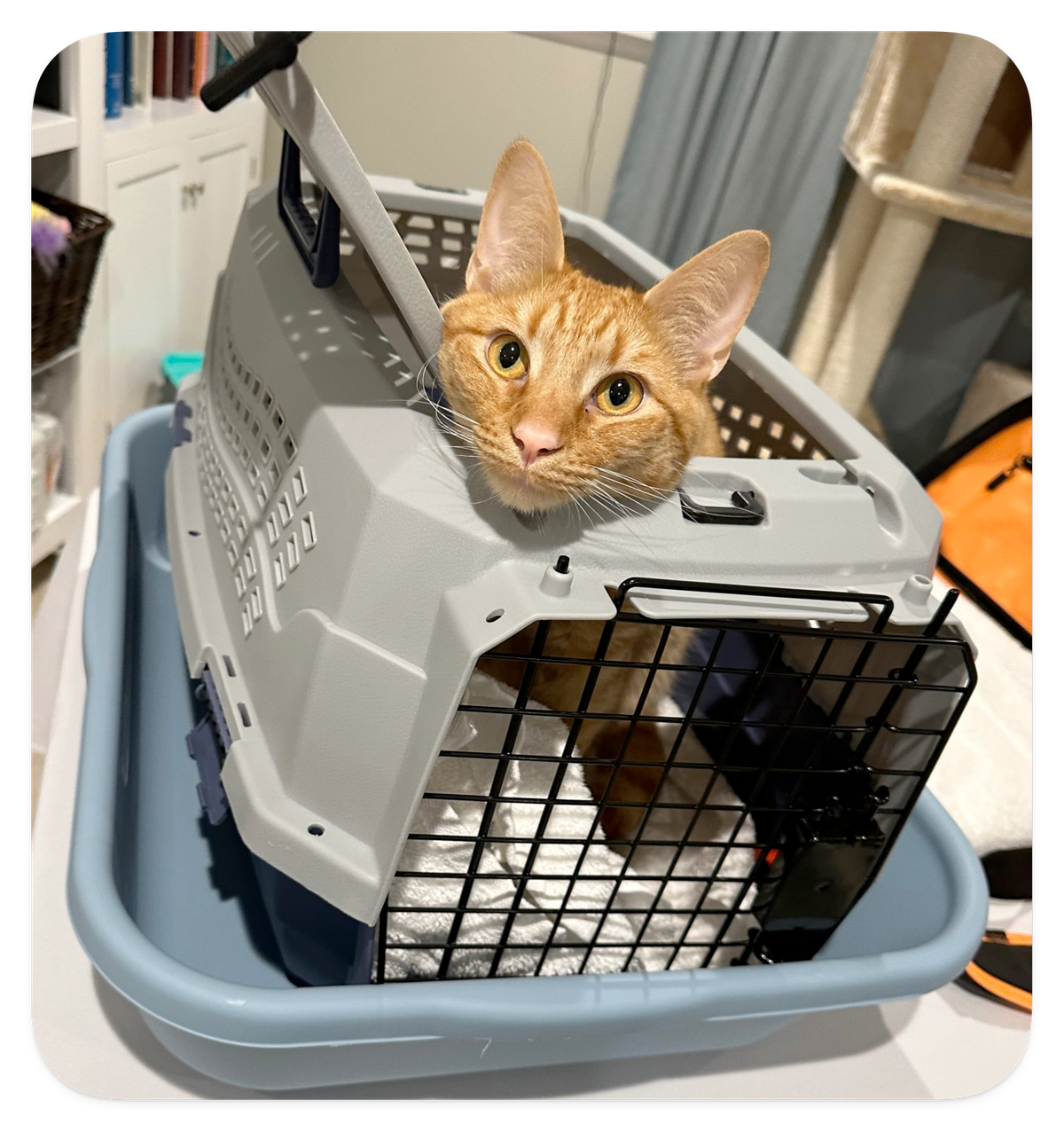
How to get your cat in a carrier tutorial!
Why Choosing the Right Cat Carrier Matters
If you’re a cat owner, you know that a trip to the vet or any travel involving your feline friend can be stressful for both you and your cat. The right cat carrier can make all the difference in reducing anxiety, keeping your cat safe, and making vet visits smoother for everyone involved.
I'm Dr. Kara Caldwell, a practicing cat-only veterinarian in the state of Connecticut with over 15 years of experience, and I want to share my expert advice for selecting the best cat carrier that balances safety, comfort, and practicality.
Soft-Sided Cat Carriers: Pros and Cons
Soft-sided carriers are popular, especially for their lightweight and collapsible designs that are easy to store. The most common model features mesh sides, partial and full openings, and often appeal to owners looking for a softer experience for their cat.
Downsides to Consider:
- Poor Shape Retention: Soft-sided carriers don’t keep their shape well. If something heavy falls on them or in the event of a car accident, they offer minimal protection.
- Difficult to Clean: If your cat becomes motion sick or nervous and soils the carrier, cleaning can be a challenge. The fabric and mesh absorb liquids and odors, making thorough cleaning and drying tricky.
- Limited Durability: Soft sides don’t provide much protection if your cat is anxious and tries to claw their way out, which can cause damage to both the carrier and your cat’s nails.
When Soft-Sided Might Work:
- If you travel frequently and need a lightweight, collapsible carrier that fits in small spaces like hotel rooms or airline overhead bins.
- Look for soft carriers with built-in structure and rigidity, such as the SleepyPod Air, which offers some protective features and travel-specific attachments, like car seat connectors and luggage straps.
- Features like removable tops and vinyl interiors make cleaning easier compared to basic soft-sided carriers.
Hard-Sided Cat Carriers: The Recommended Choice for Most Cats
Hard plastic carriers are the gold standard for safety, cleanliness, and ease of use, especially for vet visits.
Why Choose Hard-Sided Carriers?
- Durability and Safety: Plastic carriers better protect your cat in case of accidents. They keep their shape and don’t collapse.
- Easy to Clean: If your cat vomits or urinates, wipe-down surfaces and removable towels make cleanup quick and thorough.
- Vet-Friendly Access: Many modern carriers offer top-loading access, allowing you and vet staff to get your cat in and out with less stress.
Top Features to Look For:
- Top and Front Openings: Allows multiple ways to access your cat.
- Removable Tops: Useful if your cat is aggressive or in distress, as vet staff can safely remove the top rather than struggling with the door.
- Zip Tie Hack for Older Models: Replace screws with zip ties for easier top removal in emergencies. Just bring replacements to the vet in case they do not have their own.
Recommended Models:
- Amazon Basics Hard-Sided Carrier — Affordable, easy to assemble, with great top loading and removable top features.
- Frisco Carrier by Chewy — Similar features but may require more effort to assemble.
Comfort and Stress Reduction Tips for Your Cat
- Familiar Smells: Place a blanket or towel that smells like home inside the carrier.
- Cover the Carrier: Use a towel to cover the carrier during travel or vet visits to limit scary visual stimuli.
- Use Pheromone Sprays: Sprays like Feliway can calm anxious cats. Spray the carrier and bedding 20 minutes before use to let the solvent carrying the calming pheromones disperse.
- Avoid Viral Backpack Carriers: While trendy, these can be cramped and do not allow cats to hide, which increases anxiety.
Safety Tips for Emergencies and Travel
- Emergency Carriers: Keep a soft carrier or clean pillowcases in your car trunk in case of fire, flood, or other emergencies where you may need quick containment.
- Secure Cats During TSA: Use carriers with leash attachments for travel, and request private rooms for inspections to keep your cat safe.
- One Cat per Carrier: Avoid placing two cats together; stress and aggression can spike outside the home environment.
Helping Your Cat Accept Their Carrier
- Leave Carriers Out at Home: Keep the carrier open and accessible in your living space so your cat gets used to it.
- Use Treats: Reward your cat with high-value treats like tuna or bonito flakes inside the carrier to create positive associations.
- Learn More: Check out my Getting Your Cat in the Carrier video for step-by-step tips
Key Takeaways
- Hard plastic carriers with top and front openings are generally safest and easiest to clean.
- Soft-sided carriers are best for occasional travel and storage but have limitations.
- Modify older carriers with zip ties for easier emergency access.
- Help your cat by adding familiar scents and covering carriers to reduce anxiety.
- Always keep one carrier per cat, especially when traveling or visiting the vet.
Conclusion: Choose a Durable, Cleanable, and Accessible Carrier for Your Cat
Investing in a cat carrier that’s easy to clean, safe, and practical benefits both you and your cat. Whether you opt for a hard-sided carrier with top-loading features or a soft-sided carrier designed for travel, the right choice makes vet visits and travel less stressful.
If you're setting up your home for a new cat, check out our Essential Guide to Supplies and Toys for Your New Cat for more vet-backed recommendations.
I only link to products I actually use or would recommend to my own clients. Some links are Amazon affiliate links, and as an Amazon Associate I earn from qualifying purchases.